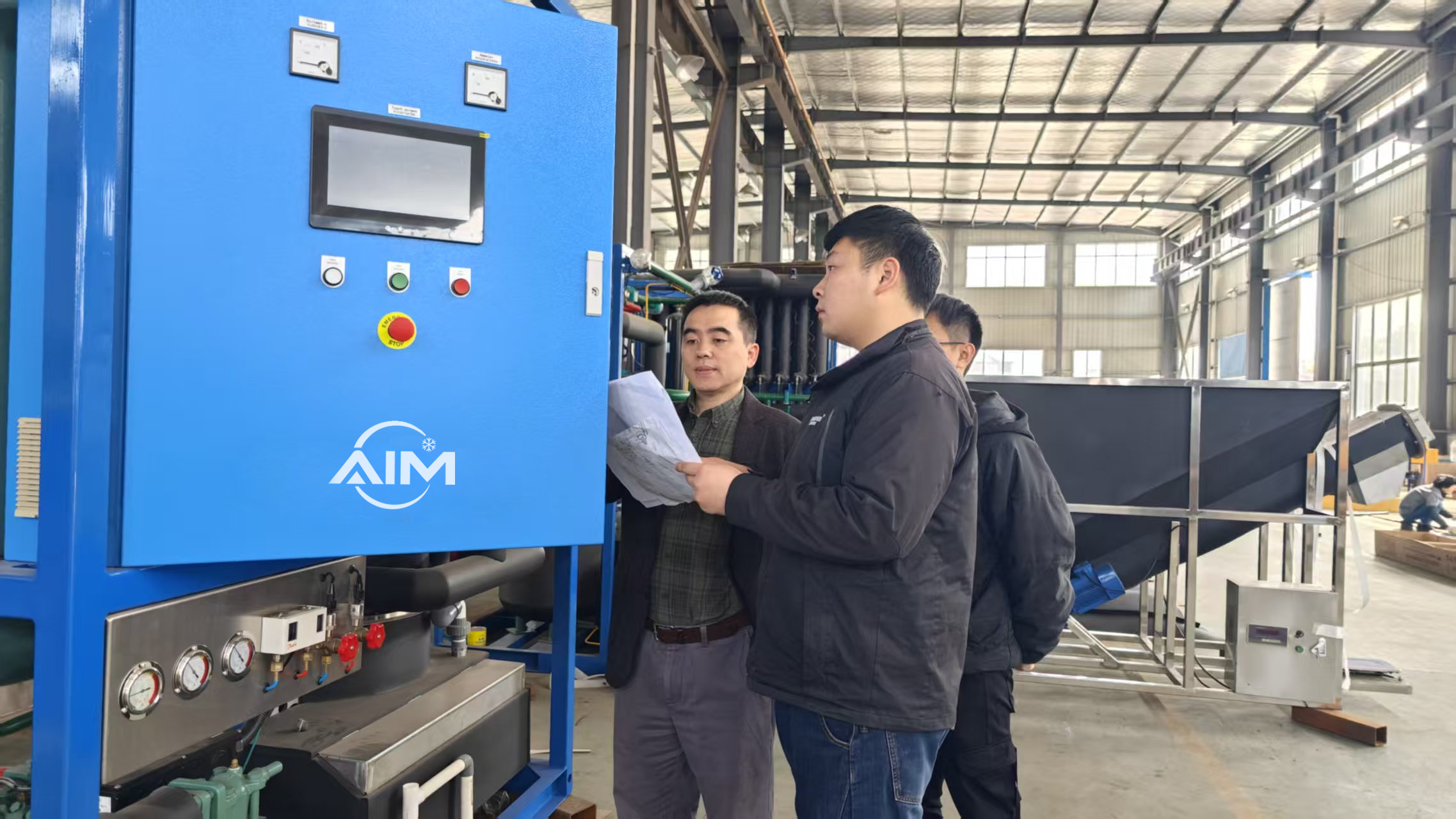
AIM explains that snow park projects combine refrigeration, snow-making equipment, venue layout, insulation, drainage, and construction coordination into one operating system. Maintenance access has to be planned across that system. A buyer should therefore show how technicians can reach equipment rooms, snow zones, controls, and building-service interfaces while protecting the visitor program.
This guide addresses one buying question: what should a buyer provide before asking AIM Refrigeration to assess a snow park equipment maintenance access routes? It is a planning aid, not a promise about output, utility consumption, temperatures, delivery dates, or final engineering. The relevant snow park equipment page establishes the product category; the proposal must establish the project-specific arrangement.
Start with the operating decision
List the planned venue hours, snow-maintenance routine, inspection tasks, staff-only areas, and times when lifts, carts, or technicians may need to move through the building. Identify equipment that must be reached for planned service, the access route to it, and any visitor or architectural boundary that constrains that route. Make a separate note of seasonal or event-related restrictions that could change a maintenance window.
Record what is known, the source of each input, and the decision still open. A measured observation, an operating estimate, and a target set by a project team should not be treated as the same thing. That small discipline gives AIM a usable brief and lets competing quotations be checked against the same basis.
Define the requested supply boundary
Separate equipment from connected work
Define whether the proposal includes snow equipment, refrigeration, controls, service platforms, access provisions, or only specified equipment. Coordinate responsibility for structural openings, doors, corridors, lifting points, power isolation, drainage, lighting, and permit-to-work procedures. These are venue and construction decisions as well as equipment decisions, so they should be visible in the scope matrix.
Ask each supplier to identify equipment supplied, connection points, assumptions, exclusions, documents, start-up participation, and work that remains with the owner or contractor. A line item is not automatically a complete operating system. Clear boundaries reduce the chance that a necessary interface is discovered only after equipment has arrived on site.
Identify the people who use the system
Include the operator, maintenance, cleaning, production, facilities, and project contacts in the inquiry. Describe access restrictions, normal shifts, cleaning windows, control-room responsibilities, and the route for reporting a change. This is not an attempt to prescribe a machine; it is information that helps the technical discussion reflect the actual workplace.
Map the site and its interfaces
Provide drawings of the full venue showing snow zones, visitor paths, staff doors, plant rooms, service corridors, lifts, drainage, utilities, ceiling constraints, and loading access. Include sections wherever vertical movement or overhead access matters. Flag spaces that will be shared with other contractors or building systems, and retain a current drawing revision register.
Current drawings are more useful than a verbal description. Mark equipment space, service clearances, lifting or delivery constraints, doors, floor levels, drains, ventilation, water and electrical connection locations, and interfaces with existing systems. Where an item has not been confirmed, label it as pending rather than filling the gap with a guessed value.
Build a quotation-ready evidence pack
Send the same concise project pack to every bidder. Include the application description, operating sequence, demand or batch pattern, layout, available utilities, country and local electrical information, existing-equipment interfaces, and anticipated decision date. Attach photographs only where they clarify an access route or connection point, and remove private or customer-sensitive information before sharing.
AIM’s product page can be used alongside the project pack to frame the discussion, while the AIM contact page is the appropriate route for a project-specific request. A responsible proposal should state what it relies on and identify data that must be verified before final selection.
Keep assumptions under change control
Early equipment discussions often begin before drawings, utility records, and operating procedures are final. That is normal, but an assumption needs an owner and a confirmation date. Maintain a short register that states the assumption, the information needed to verify it, who will provide that information, and the effect if it changes. Examples include the planned equipment position, an available connection point, an access route, or the sequence between two existing operations.
Issue the register with the latest drawing and request that the quotation identify which of its scope decisions depend on each open item. Do not convert a provisional statement into a technical commitment merely because it has appeared in an email. When a condition changes, circulate the revised information to the project team and ask for the proposed scope to be reviewed. This makes the buying process easier to audit and protects the practical operating plan from silent changes.
Quotation checklist
- Operating hours and planned maintenance windows
- Equipment list and routine-service access requirements
- Visitor, staff, loading, and emergency-route drawings
- Plant-room, corridor, lift, door, and overhead constraints
- Utilities, drainage, lighting, and isolation responsibilities
- Construction interfaces and drawing revision control
Review proposals before release
Assess whether each supplier has responded to the same access plan. Confirm equipment placement, routine-service reach, major-maintenance route, building-work exclusions, controls access, safety coordination, and the procedure for changing a route after construction begins.
Before an order is released, compare each response against the same written brief rather than against an assumed standard configuration. Confirm final drawings, utility responsibilities, equipment and access boundaries, documentation, commissioning coordination, and any unresolved interfaces in writing. If the operating plan changes, update the brief and ask for the effect on the proposed scope before treating it as final.
Technical questions buyers ask before choosing Snow Park Equipment: Maintenance Access Route Planning.
These points help overseas buyers compare capacity, condenser type, project data and equipment scope before requesting a quotation from AIM Refrigeration.
What data is needed for an AIM equipment quotation?
Share product type, required capacity, installation country, voltage, ambient temperature, inlet water or product temperature, operating schedule and application details.
Can AIM configure equipment for overseas projects?
Yes. AIM reviews climate, power supply, layout, capacity and workflow before proposing a suitable refrigeration or ice-making configuration.
Does AIM provide technical documents before purchase?
AIM can prepare quotation assumptions, model information and technical documentation according to the confirmed project scope.