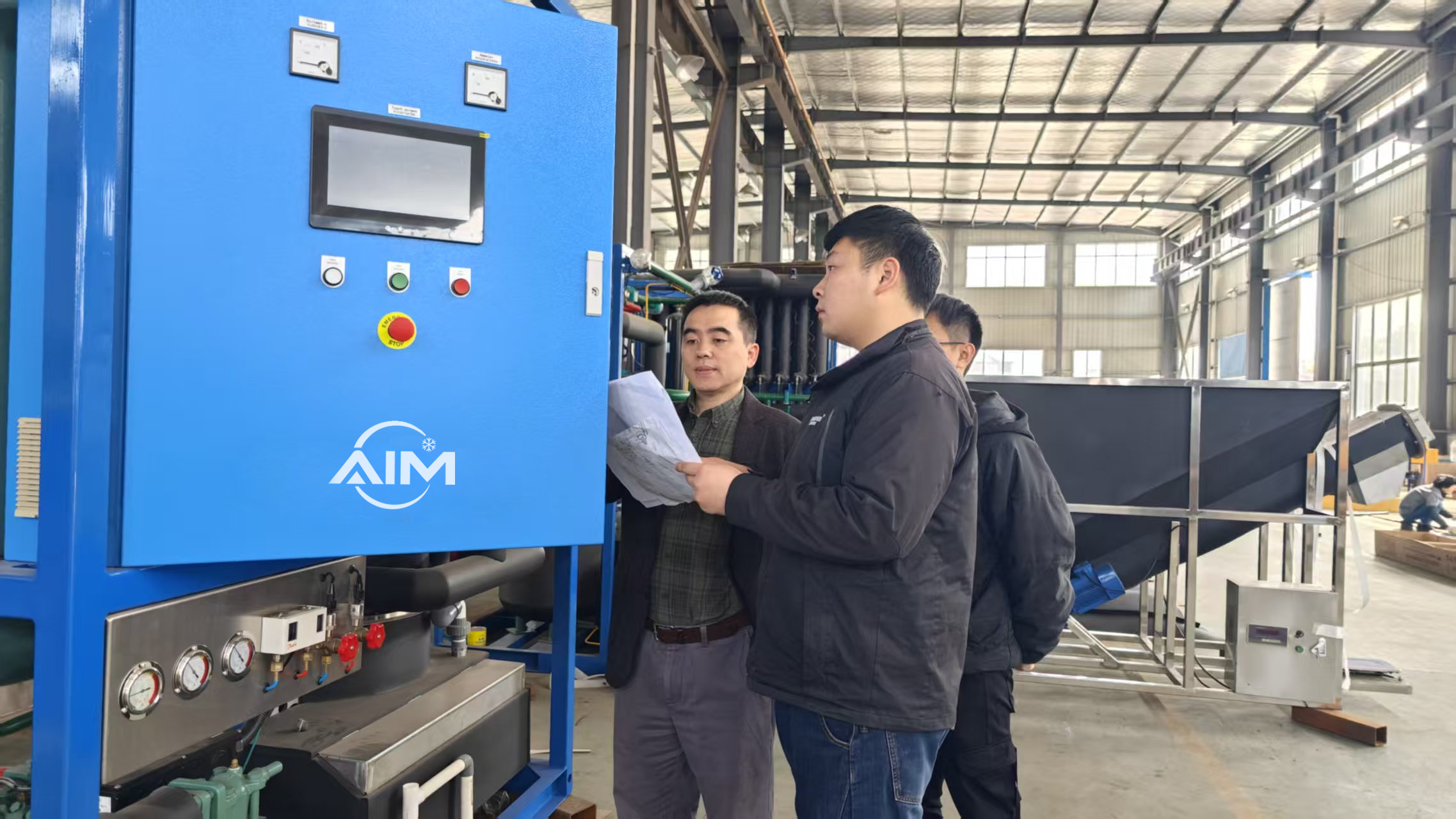
Industrial plate ice systems for cooling, storage and bulk ice supply.
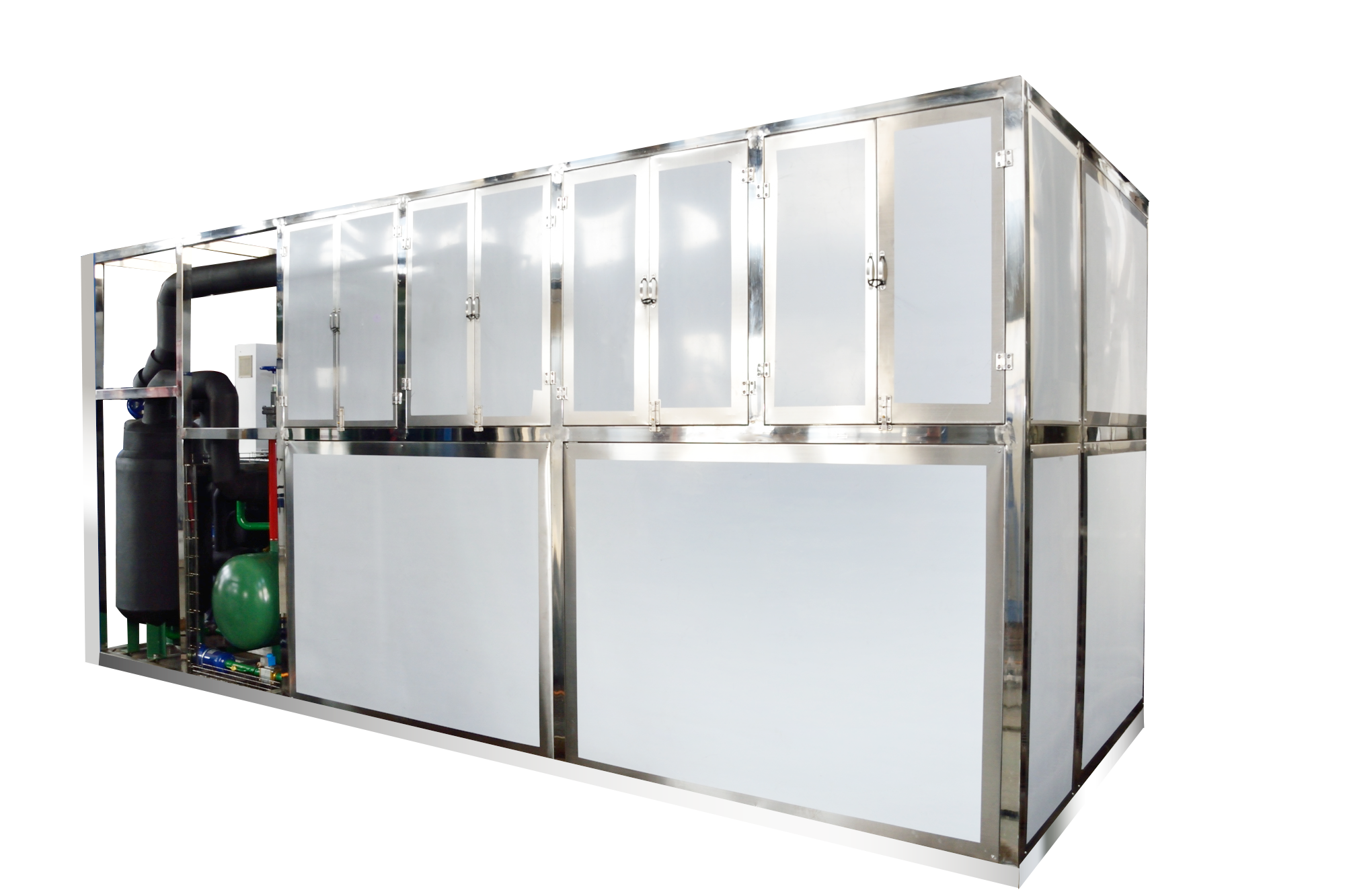
AIM Refrigeration manufactures AP series plate ice machines for seafood cooling, food processing, concrete support cooling, chemical plants, mines, vegetable preservation and ice storage projects. Plate ice is thicker than flake ice, has practical handling strength and melts more slowly, making it useful when a project needs both cooling contact area and storage stability.
What plate ice is used for
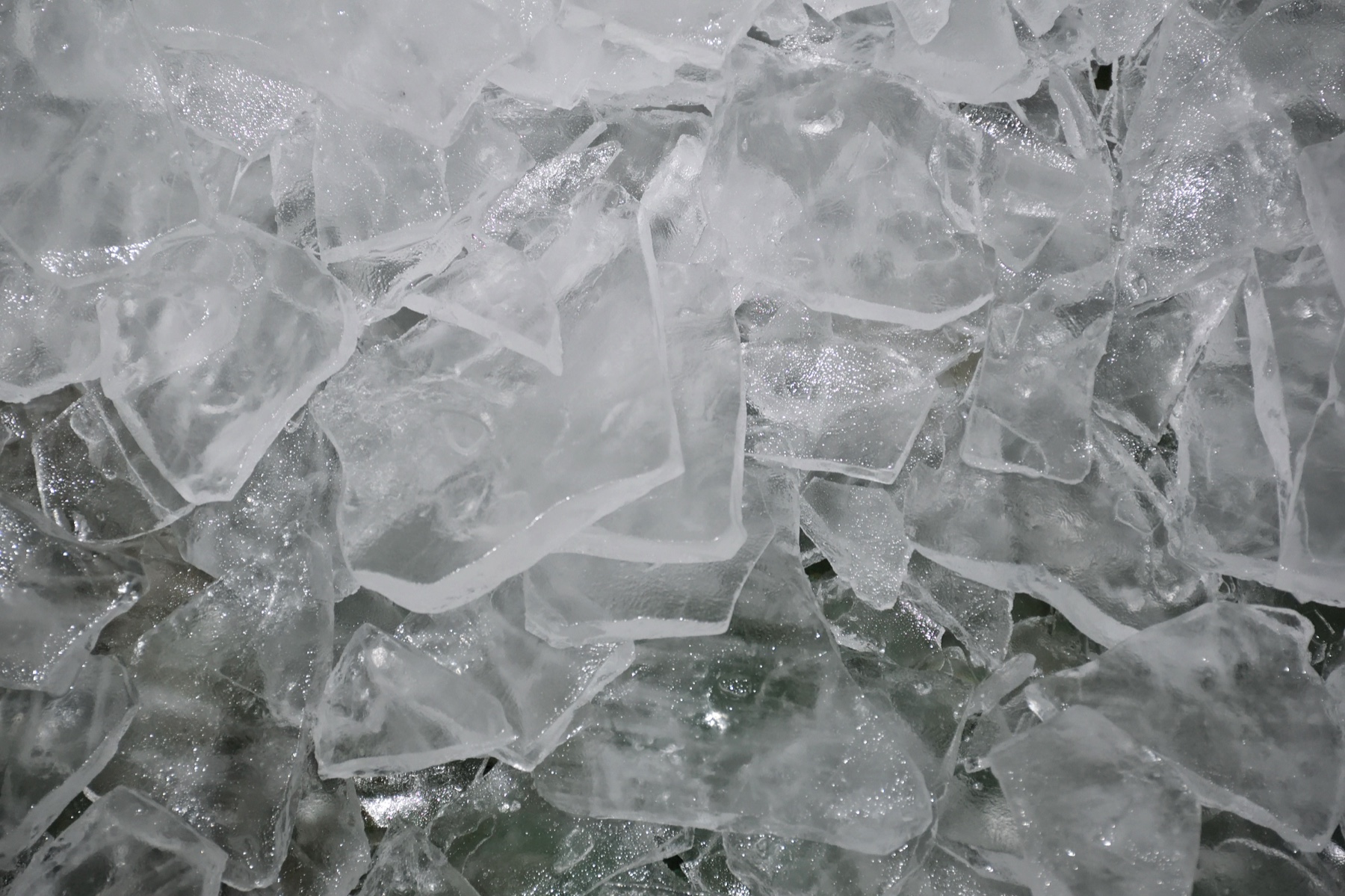
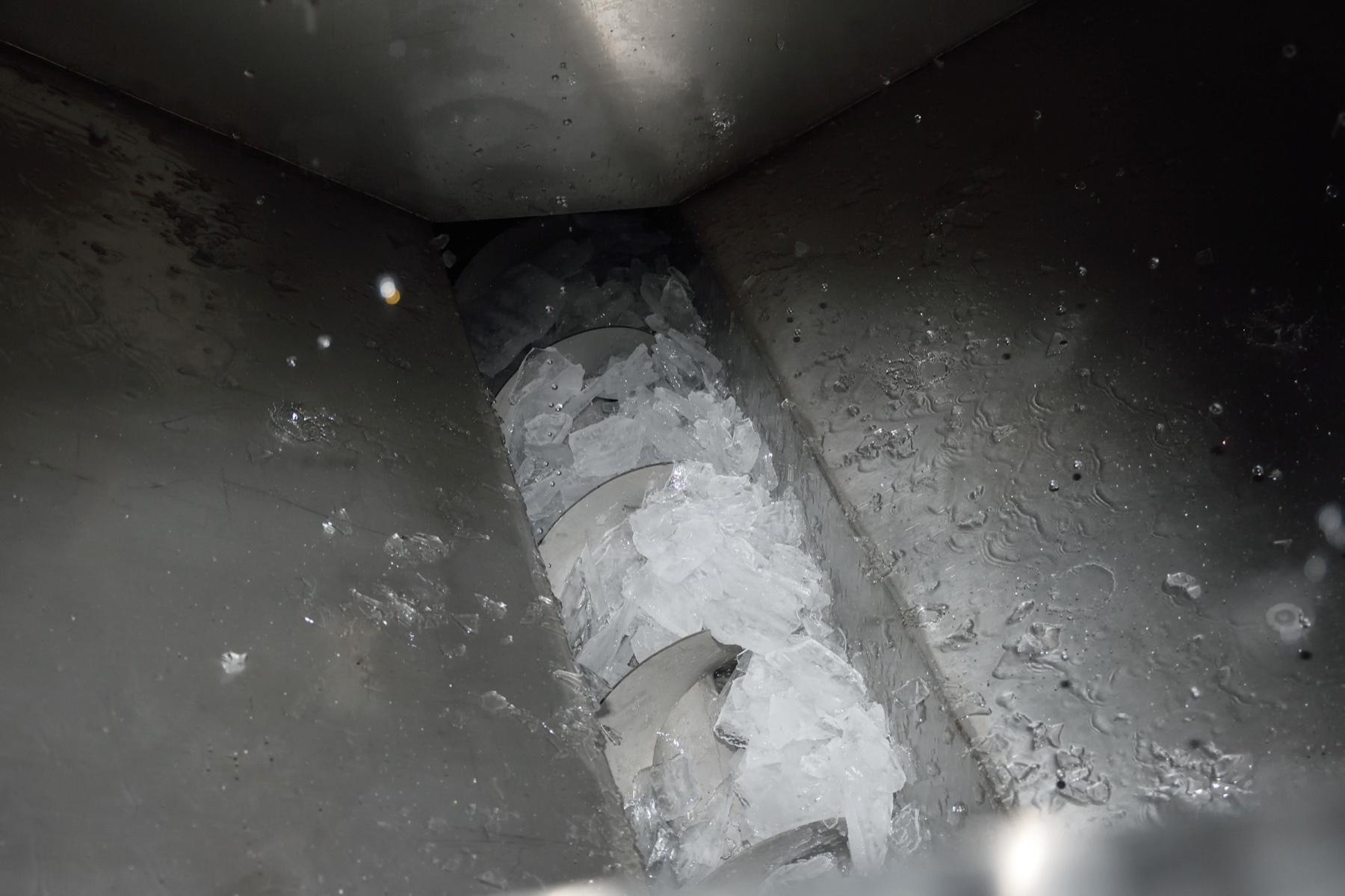
Plate ice is an irregular sheet ice form, commonly produced around 40 x 40 mm to 80 x 80 mm with a typical thickness of about 10-15 mm. The ice thickness can be adjusted by the ice-making time and project requirement. Compared with very thin flake ice, plate ice gives buyers a stronger ice piece with slower melting behavior; compared with large block ice, it is easier to discharge, store, crush, convey and dose into industrial workflows.
Cooling with better storage stability
Useful for fish markets, seafood plants and aquatic product handling where ice must cool quickly and hold up during dispatch.
Practical ice for process cooling
Plate ice can support chemical plants, mines, produce cooling, meat processing and other industrial temperature-control needs.
Cooling support for batching plants
Where the mix design allows, plate ice can be part of a wider cooling strategy together with chilled water or storage equipment.
Bulk ice that is easier to manage
Plate ice can be stored, crushed, delivered by screw conveyor or integrated with ice storage systems for scheduled dispatch.
AP series plate ice machine models
The AP model range below is organized by nominal daily output and condenser route. Final configuration should be checked against inlet water temperature, ambient temperature, voltage, water quality, ice thickness and operating hours. Detailed component dimensions and weights are listed on each AP model page.
| Model | Capacity | Refrigerant | Running kW | Installed kW | Approx. weight |
|---|---|---|---|---|---|
| AP-5TW FIP-50 reference | 5 tons/day | R22 or R404A | 25.15 kW | 30 kW | Approx. 1.7 t total |
| AP-8TW FIP-80 reference | 8 tons/day | R22 or R404A | 29.25 kW | 35 kW | Approx. 2.6 t total |
| AP-10TW FIP-100 reference | 10 tons/day | R22 or R404A | 39.07 kW | 48 kW | Approx. 3.3 t total |
| AP-15TE FIP-160 reference | 15-16 tons/day class | R22 or R404A | 56.35 kW | 70 kW | Approx. 4.3 t total |
| AP-20TE FIP-200 reference | 20 tons/day | R22 or R404A | 84.00 kW | 100 kW | Approx. 6.1 t total |
| AP-25TE FIP-240 reference | 24-25 tons/day class | R22 or R404A | 100.10 kW | 125 kW | Approx. 7.0 t total |
| AP-30TE FIP-320 reference | 30-32 tons/day class | R22 or R404A | 124.00 kW | 150 kW | Approx. 7.9 t total |
AP-5TW
Compact plate ice machine for buyers who need stronger ice pieces than flake ice but do not need a large plant.
Good fit for small cold-chain and seafood cooling projects.
AP-8TW
A practical mid-range model for daily plate ice supply where storage and dispatch rhythm must stay predictable.
Often reviewed for processors moving beyond small ice demand.
AP-10TW
A stable 10-ton class model for buyers comparing plate ice with flake ice for industrial cooling work.
Prepare storage volume and discharge method before quotation.
AP-15TE
Evaporative-cooled plate ice machine for higher output where heat rejection needs closer engineering review.
Suitable for hot-climate projects with sufficient water and maintenance planning.
AP-20TE
Industrial 20-ton class model for continuous production, storage-oriented ice supply and integrated handling systems.
Plan ice storage, crusher, screw delivery or bagging line together.
AP-25TE
Higher-capacity plate ice machine for projects where daily demand, cooling load and dispatch timing are already clear.
Best quoted with site layout and downstream ice handling plan.
AP-30TE
Large AP series model for continuous plate ice production and integrated storage, crushing or delivery workflows.
Recommended when the project needs complete system engineering.
Machine structure and ice-making process
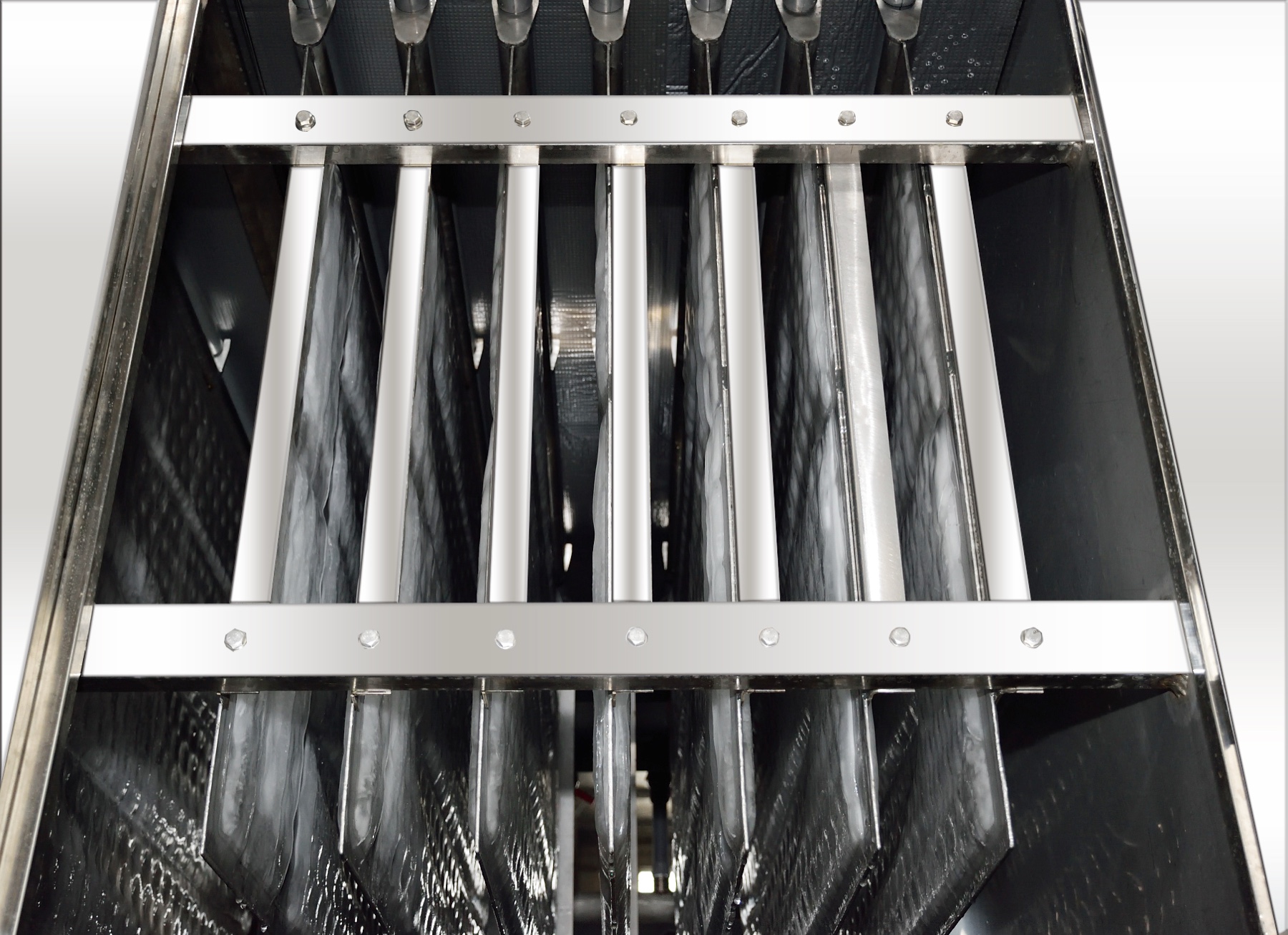
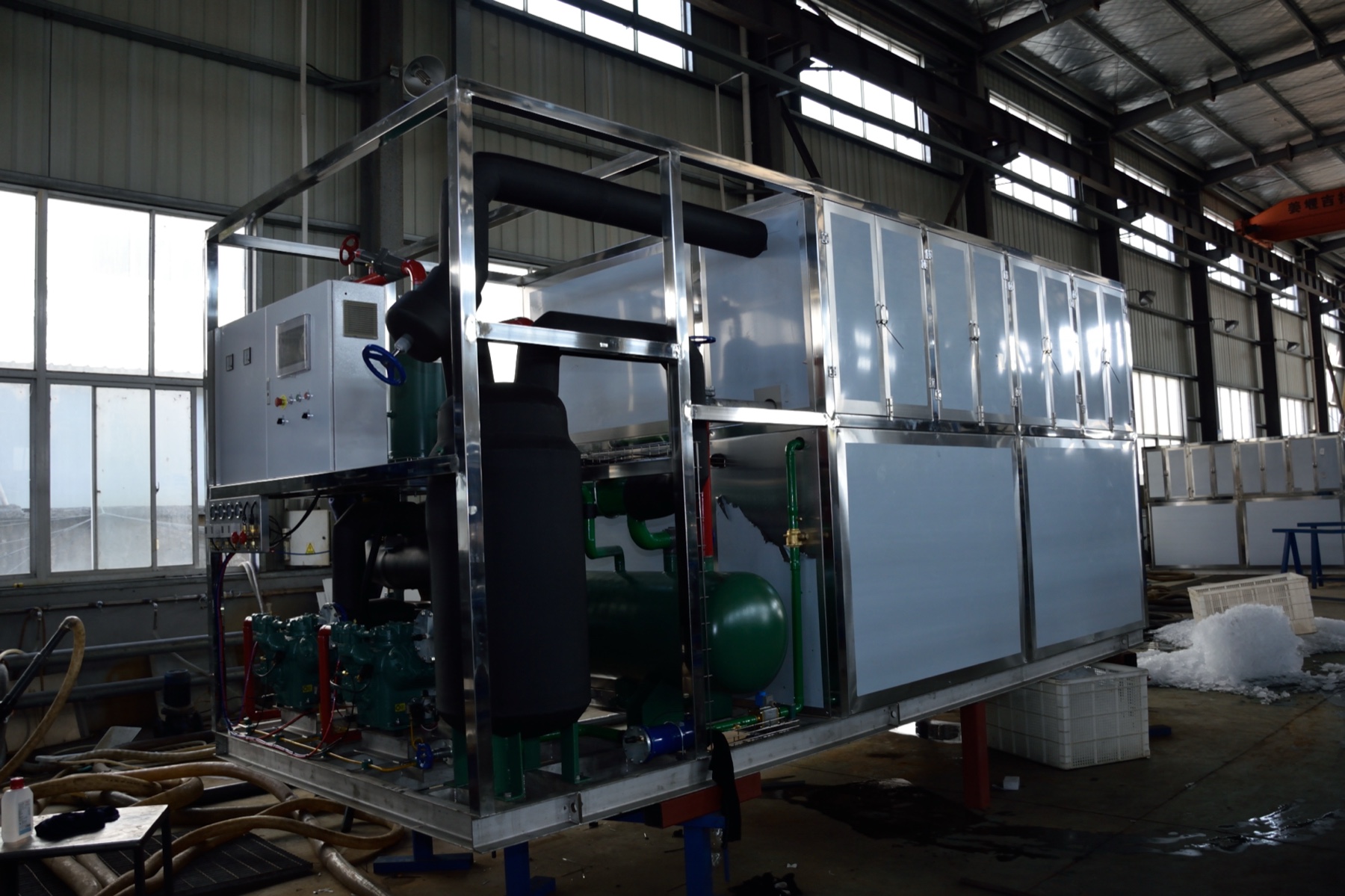
During operation, water is pumped and distributed evenly over the evaporator plate surface. The refrigeration circuit removes heat and forms ice on the plate. When the set ice-making time is reached, the harvest cycle releases the ice by heat exchange and gravity so the ice can fall into a crusher, storage bin or delivery device. This structure helps keep plate ice production continuous, practical and easy to integrate into an industrial plant.
- Adjustable ice thickness through controlled ice-making time
- Stainless-steel water-contact design options for industrial use
- Water circulation arrangement for stable freezing and cleaner ice discharge
- Configurable air-cooled, water-cooled or evaporative-cooled heat rejection
Plate ice quality and project integration
Selection data required before quotation
A plate ice machine should be selected from the whole project workflow, not from daily tonnage alone. Send the following data and AIM Refrigeration can prepare a more reliable technical quotation.
- Daily plate ice output target and expected working hours
- Application: seafood, food processing, concrete cooling, chemical plant, mine, produce cooling or ice storage
- Preferred ice thickness and whether the ice will be crushed, stored, conveyed or packed
- Installation country, voltage, frequency, ambient temperature and inlet water temperature
- Water quality, cooling water availability, equipment room ventilation and available installation space
- Need for ice storage, screw delivery, weighing, bagging or complete refrigeration system integration
Related ice machine categories
Flake Ice Machine
Thin ice for seafood, food processing and concrete cooling where rapid heat transfer is the priority.
Block Ice Machine
Slow-melting large blocks for fishery supply, ice distribution and markets needing durable ice.
Tube Ice Machine
Hard cylindrical edible ice for beverage plants, bagged ice and ice factory distribution.
Need a plate ice machine for an industrial cooling project?
Send daily capacity, ice use, installation country, voltage, ambient temperature, inlet water temperature and storage or delivery plan. AIM Refrigeration will help match the AP series model and cooling route.
Technical questions buyers ask before choosing Plate Ice Machine.
These points help overseas buyers compare capacity, condenser type, project data and equipment scope before requesting a quotation from AIM Refrigeration.
What is plate ice used for?
Plate ice is used for seafood cooling, food processing, ice storage, concrete support cooling, chemical plants, mines and other industrial cooling projects where stronger ice pieces and storage stability are needed.
How thick is plate ice?
Plate ice is commonly selected around 10 to 15 mm thickness, and the thickness can be adjusted by ice-making time and project requirements.
What data is needed before selecting an AP plate ice machine?
AIM reviews daily ice demand, application, voltage, ambient temperature, inlet water temperature, ice thickness, condenser route, storage plan and delivery method before proposing an AP model.