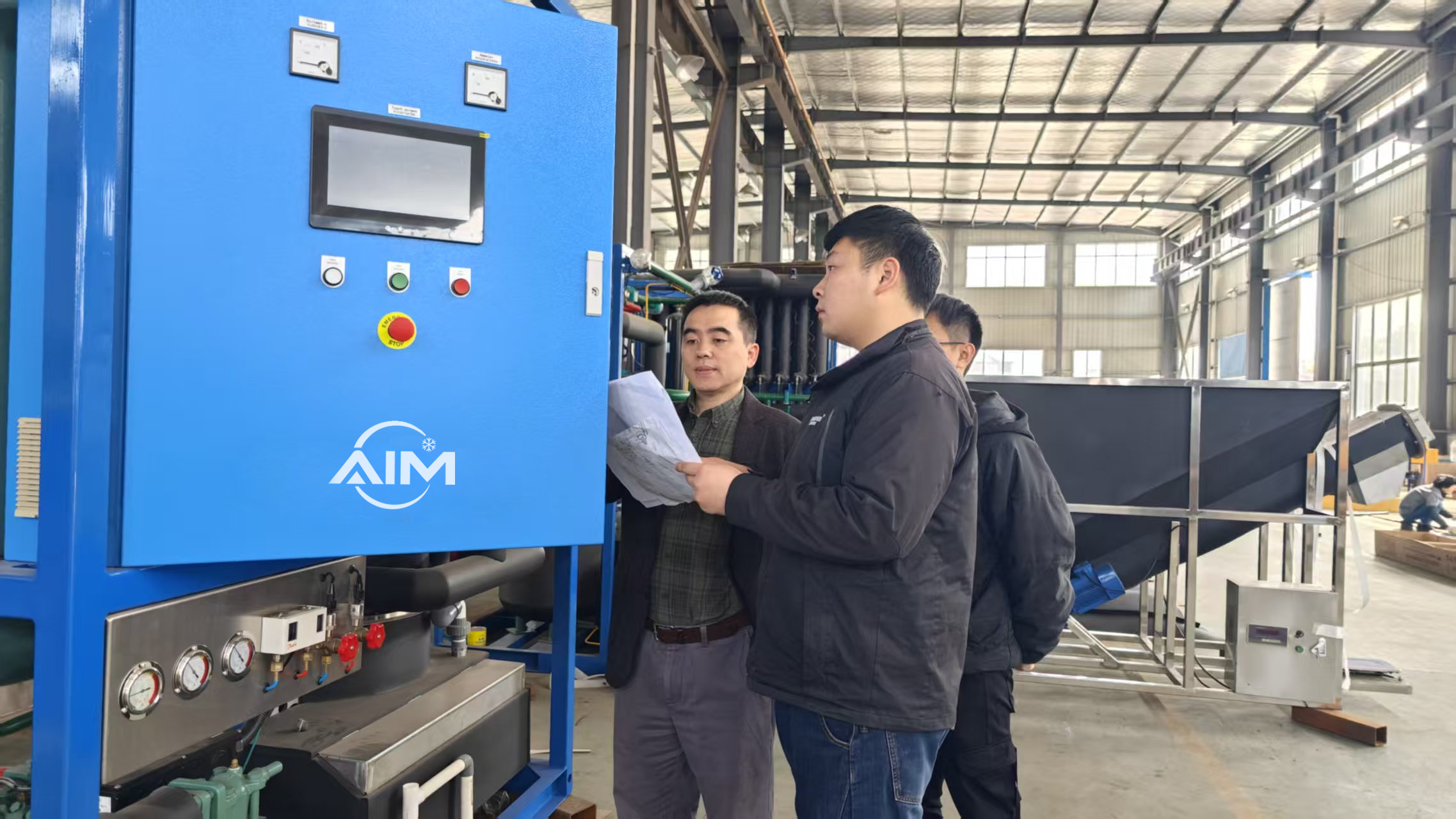
AIM Refrigeration has supported snow park refrigeration projects in different climates and venue formats, and we know the practical know-how that keeps a room stable without overworking the equipment. The design starts with the building envelope: Bitzer compressor packages, insulation thickness, vapor sealing, wall and floor build-up, drainage and dehumidification all affect pull-down speed, temperature stability and running cost.
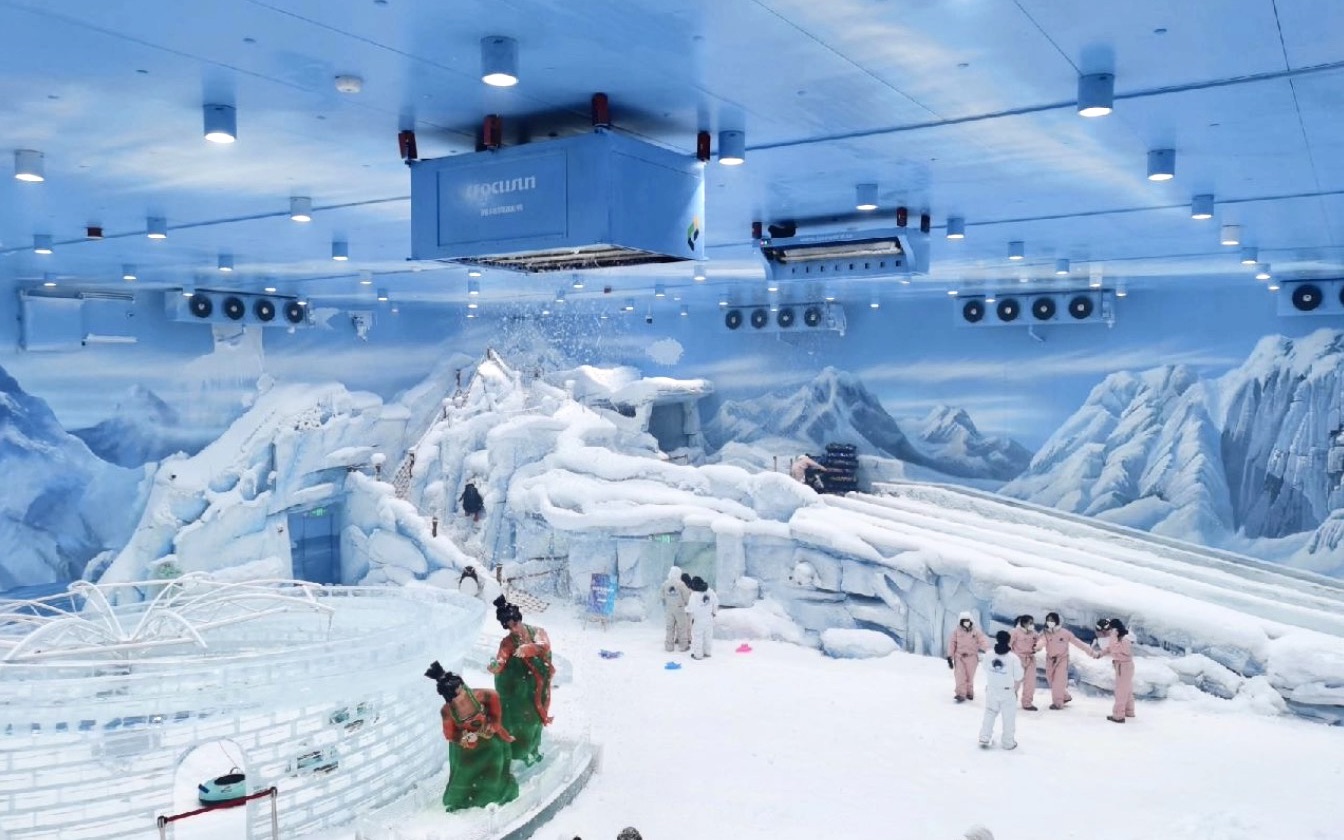
Capacity starts from the actual thermal load
Room volume is only the starting point. Humidity, air leakage, door openings, visitor load and snowmaking duty all shape the final refrigeration route. In comparable projects, optimized insulation and control logic have helped reduce energy use by up to 37%.
- Bitzer compressor packages sized for the site climate and duty cycle
- Project-specific insulation, vapor barrier and thermal bridge control
- Wall and floor build-up adjusted to the snow venue type
- Energy use reduced by up to 37% in optimized layouts and controls
System elements that must match
Room envelope
Good insulation and sealing reduce heat gain before it reaches the refrigeration plant.
Air and humidity
Moisture control is critical for snow quality and operating stability in warm climates.
Peak duty
Snowmaking periods usually need more capacity than normal display operation.
Maintenance access
Pumps, valves, compressors and controls should stay reachable after handover.
Ask for the data that changes the cooling load
Numbers on paper are only useful if they reflect the site.
| Data | Typical review point |
|---|---|
| Venue size | Length, width, height and active snow area. |
| Operation | Daily opening hours, humidity target and snow refresh cycle. |
| Utilities | Power supply, water, drainage and machine-room access. |
| Climate | Outdoor ambient condition and local heat rejection option. |
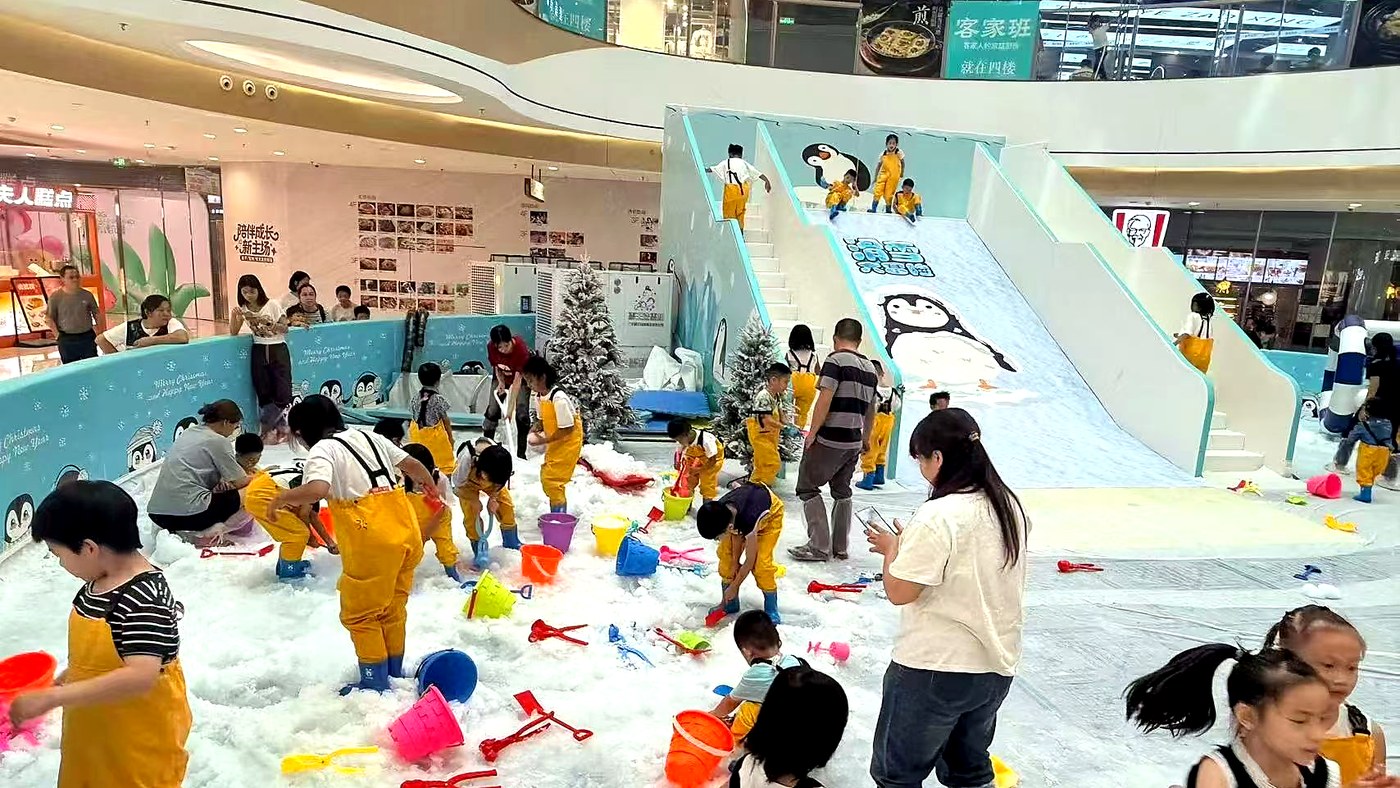
Need a refrigeration review for your snow venue?
Share the site load and operating target. AIM can review the cooling path before final equipment selection.