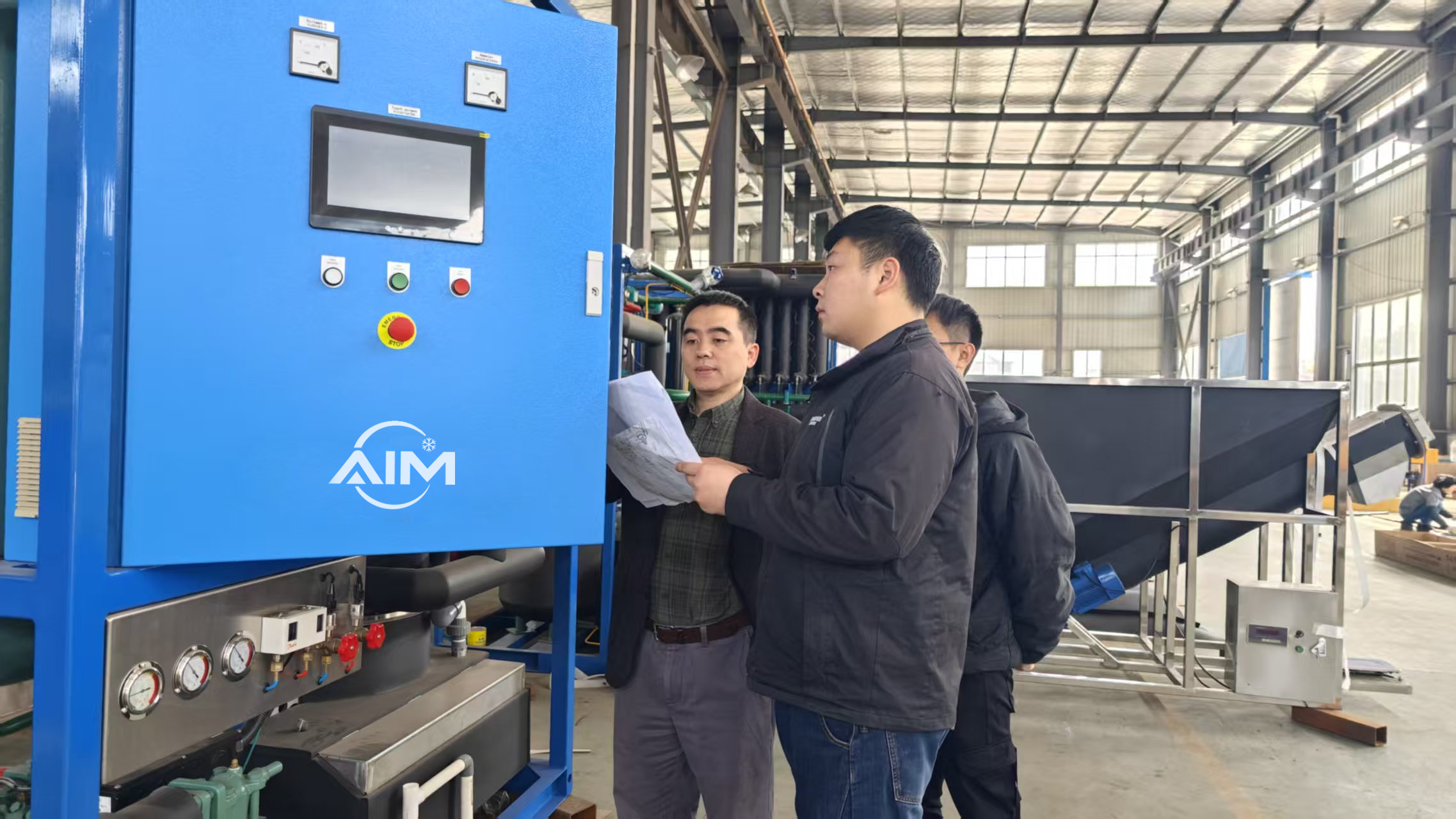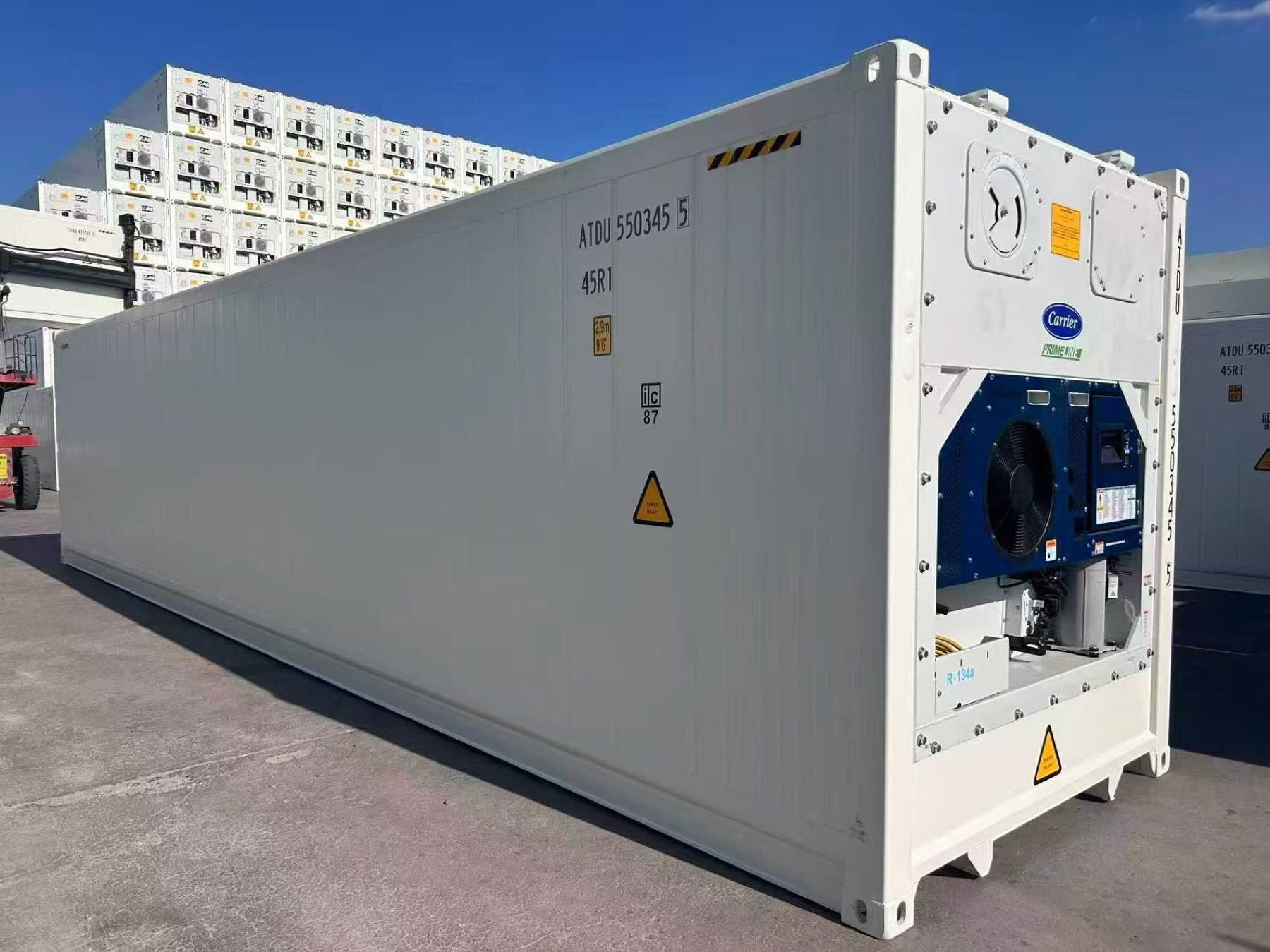
40ft and 20ft reefer container cold storage provides a fast-deployment refrigerated space for fresh keeping, frozen storage, temporary cold-chain capacity and project sites where a fixed cold room is not practical.
Containerized cold storage for flexible projects
A reefer container is selected when buyers need cold storage that can be installed quickly, moved when required and operated without building a permanent insulated room. It is useful for seafood landing stations, meat and frozen food distributors, produce collection points, temporary warehouse expansion, remote project sites and seasonal storage demand.
Ready-made insulated structure
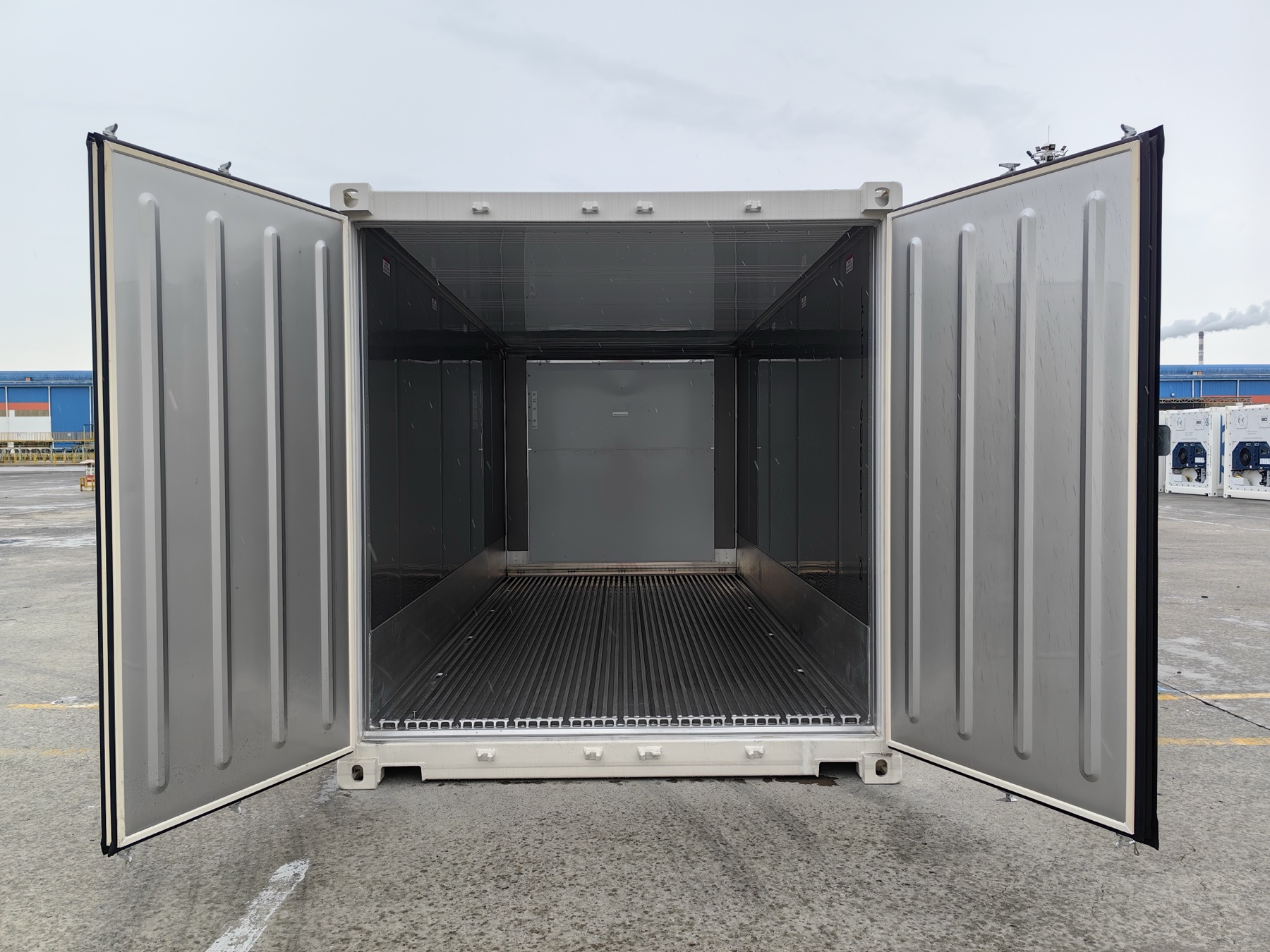
The container body, insulated enclosure, floor, doors and refrigeration unit are integrated for faster installation than a conventional cold room.
20ft or 40ft layout
Choose 20ft for compact storage or pilot projects, and 40ft when the buyer needs larger pallet volume or higher turnover capacity.
Fresh, chilled or frozen use
The configuration is matched to product type, target temperature, loading frequency and ambient condition.
Suitable for changing sites
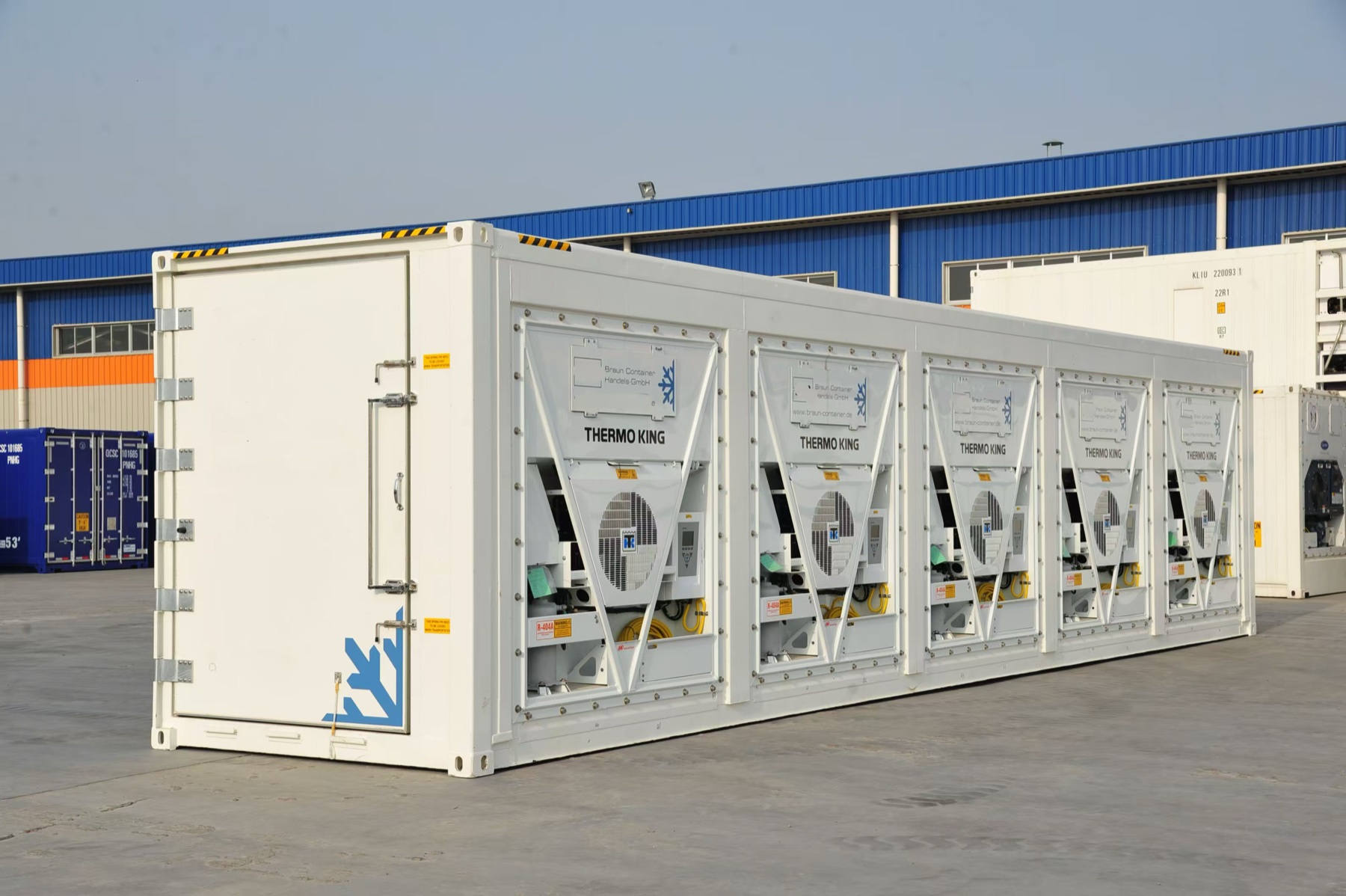
Containerized cold storage can support temporary projects, rented facilities, outdoor yards and remote cold-chain operations.
Project image details
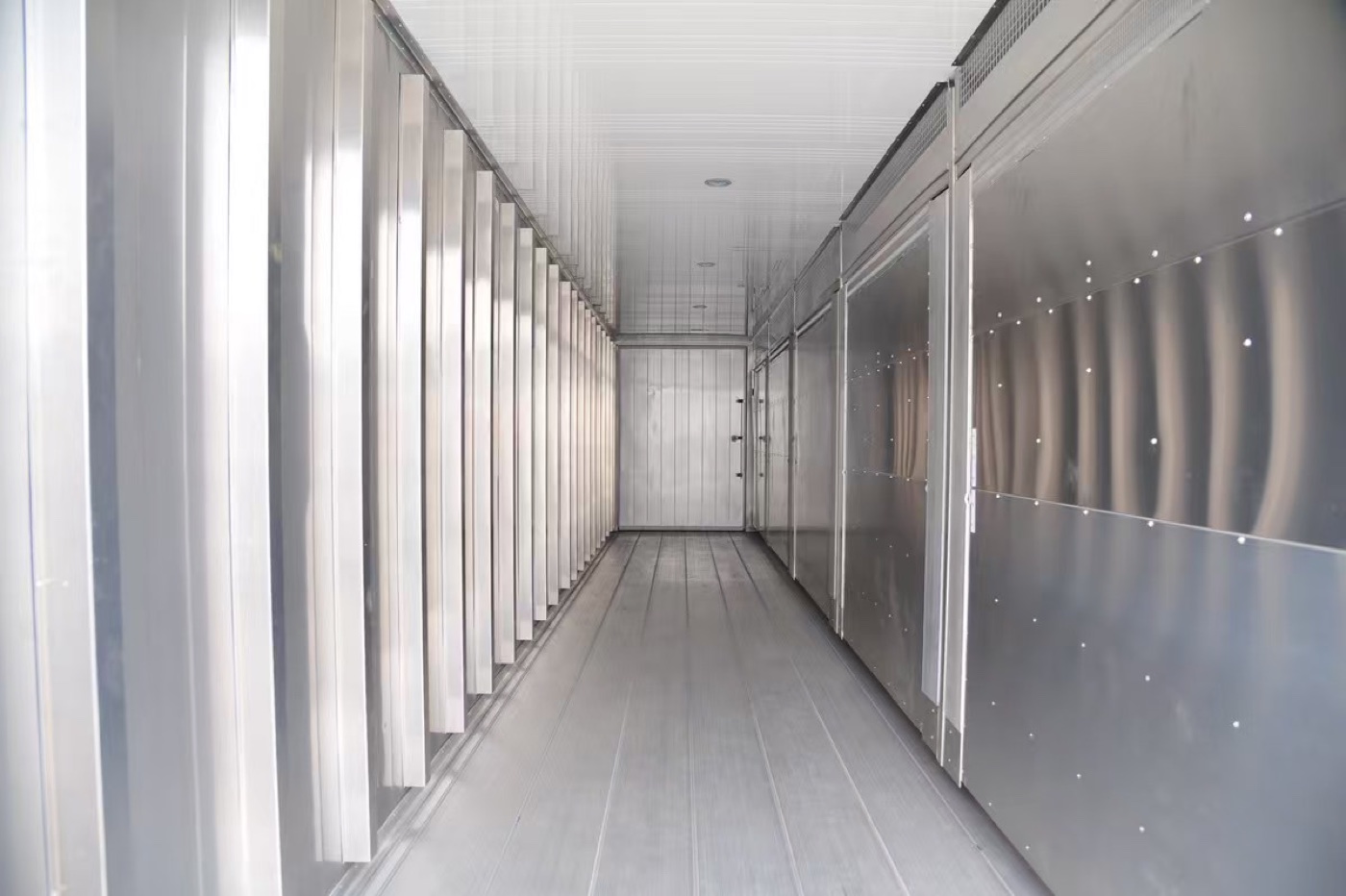
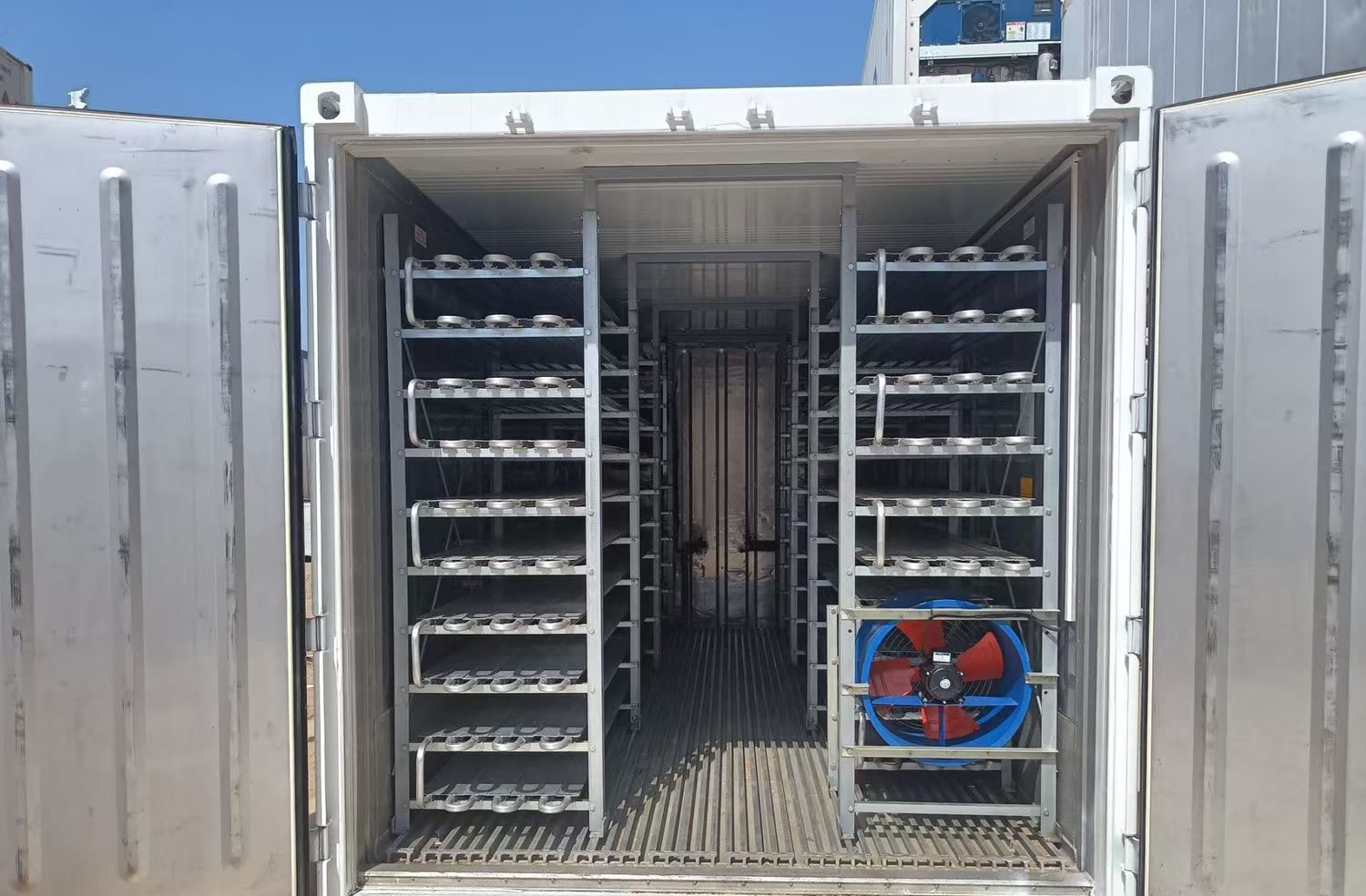
Typical applications
| Application | How the reefer container is used |
|---|---|
| Seafood and fishery | Temporary chilled or frozen storage near ports, processing points and distribution yards. |
| Meat and frozen food | Overflow storage, backup freezer capacity or warehouse expansion without civil construction. |
| Fruit and vegetables | Pre-shipment storage, farm collection points and seasonal cold-chain support. |
| Ice factory support | Cold holding space for bagged ice, raw materials or finished goods before dispatch. |
| Project sites | Mobile cold room capacity for construction camps, remote operations and temporary events. |
Selection points before quotation
20ft or 40ft
Confirm the available site area, required storage volume, pallet size and loading method before choosing container size.
Target storage range
Fresh keeping, chilled storage and frozen storage require different refrigeration capacity and operating settings.
Product turnover
Daily loading weight, product inlet temperature and door-opening frequency influence the real cooling load.
Site utilities
Voltage, phase, cable distance and outdoor installation conditions should be confirmed before production.
Recommended inquiry information
- Container size required: 20ft, 40ft or open to recommendation
- Product type, loading weight and product inlet temperature
- Target storage temperature and required operating hours
- Installation country, ambient temperature and site power supply
- Loading method: carton, pallet, rack, trolley or bulk storage
- Need for lighting, shelving, internal partition, ramp or special airflow arrangement
Need a containerized cold room for your site?
Send product type, temperature target, container size and loading plan. AIM Refrigeration will help match the reefer container configuration and quotation details.
Technical questions buyers ask before choosing 40ft and 20ft Reefer Container Cold Storage.
These points help overseas buyers compare capacity, condenser type, project data and equipment scope before requesting a quotation from AIM Refrigeration.
What information is needed for a cold room quotation?
Useful data includes room size, product type, inlet temperature, target storage temperature, daily loading volume, door opening frequency, installation country and power supply.
How are cold room panels selected?
Panel thickness and insulation type depend on temperature range, climate, room size, product load and energy target. Frozen and blast freezer rooms normally require stronger insulation than chilled rooms.
Can cold storage be combined with ice machines?
Yes. Seafood, ice trading and cold-chain projects may combine cold rooms with flake ice, block ice, tube ice, packing systems or chilled water equipment.