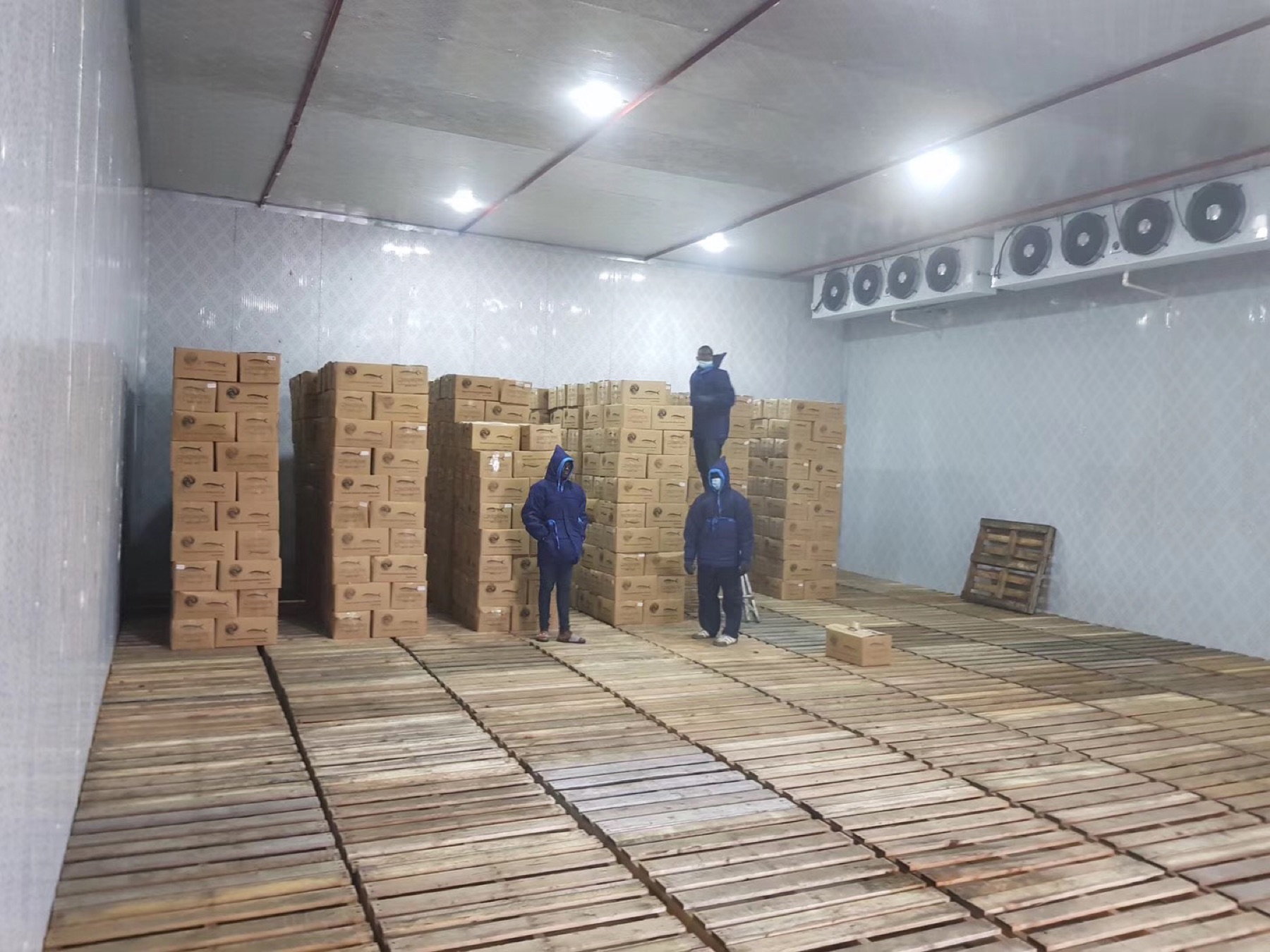
-18C to -22C cold storage is built for frozen food holding after products have already been frozen. The main goal is dependable low-temperature storage with stable operation during loading, dispatch and long-term stock rotation.
Frozen storage that protects finished goods
A frozen storage room is different from a blast freezer. It is not intended to freeze warm product quickly; it is used to keep frozen meat, seafood, poultry, ice cream ingredients, prepared food or packaged goods at a controlled storage temperature. The correct design reduces temperature fluctuation, helps manage defrost cycles and keeps the room practical for workers and forklifts.
Stable storage after freezing
Refrigeration capacity is selected for holding load, door traffic, lighting, people, fans and daily product movement.
Panel thickness matched to site conditions
Freezer rooms normally need stronger insulation than chilled rooms to reduce heat gain and compressor running time.
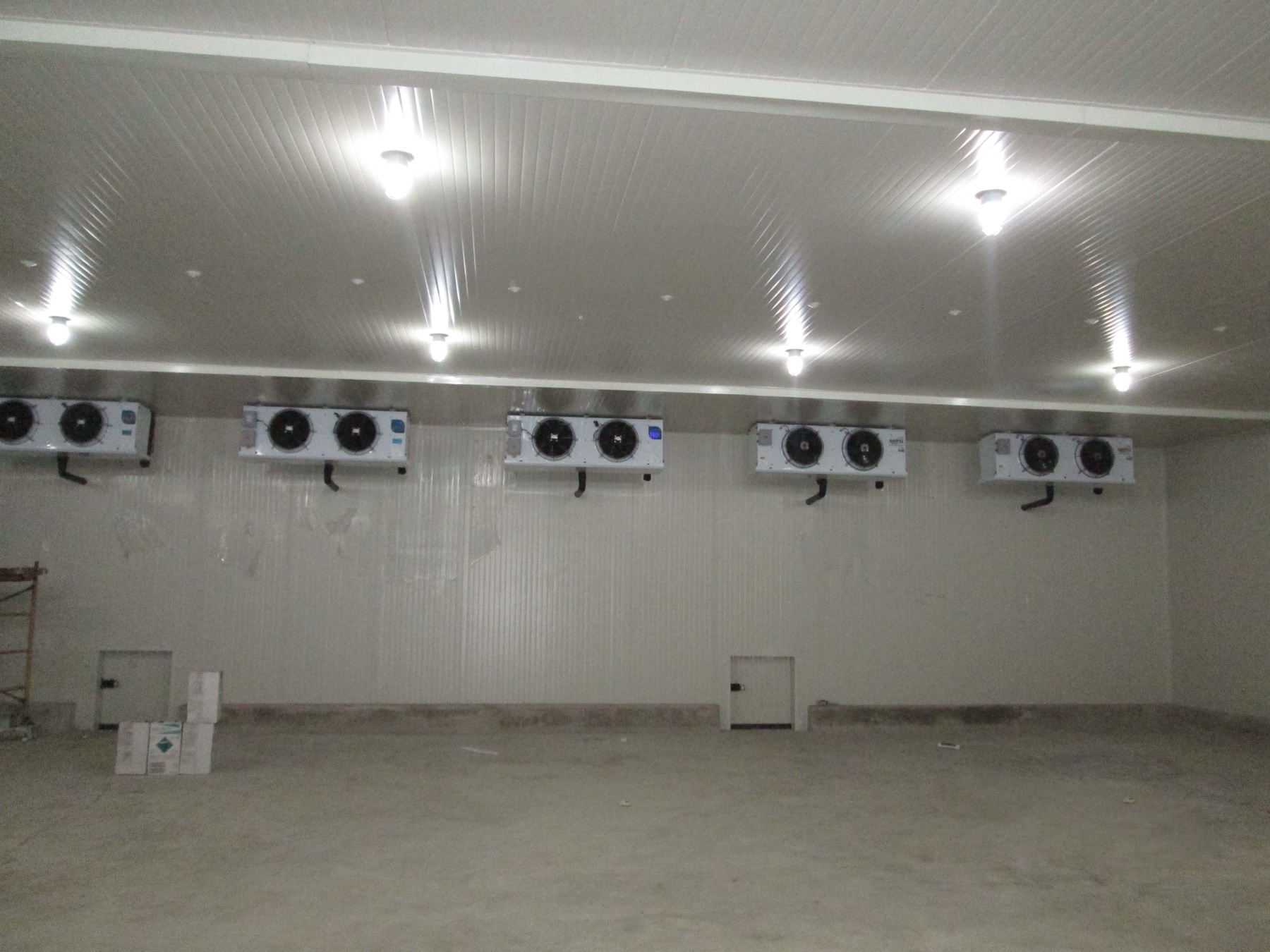
Less ice build-up on evaporators
Defrost method and schedule are chosen according to room temperature, moisture load and operating hours.
Designed for pallets, cartons or racks
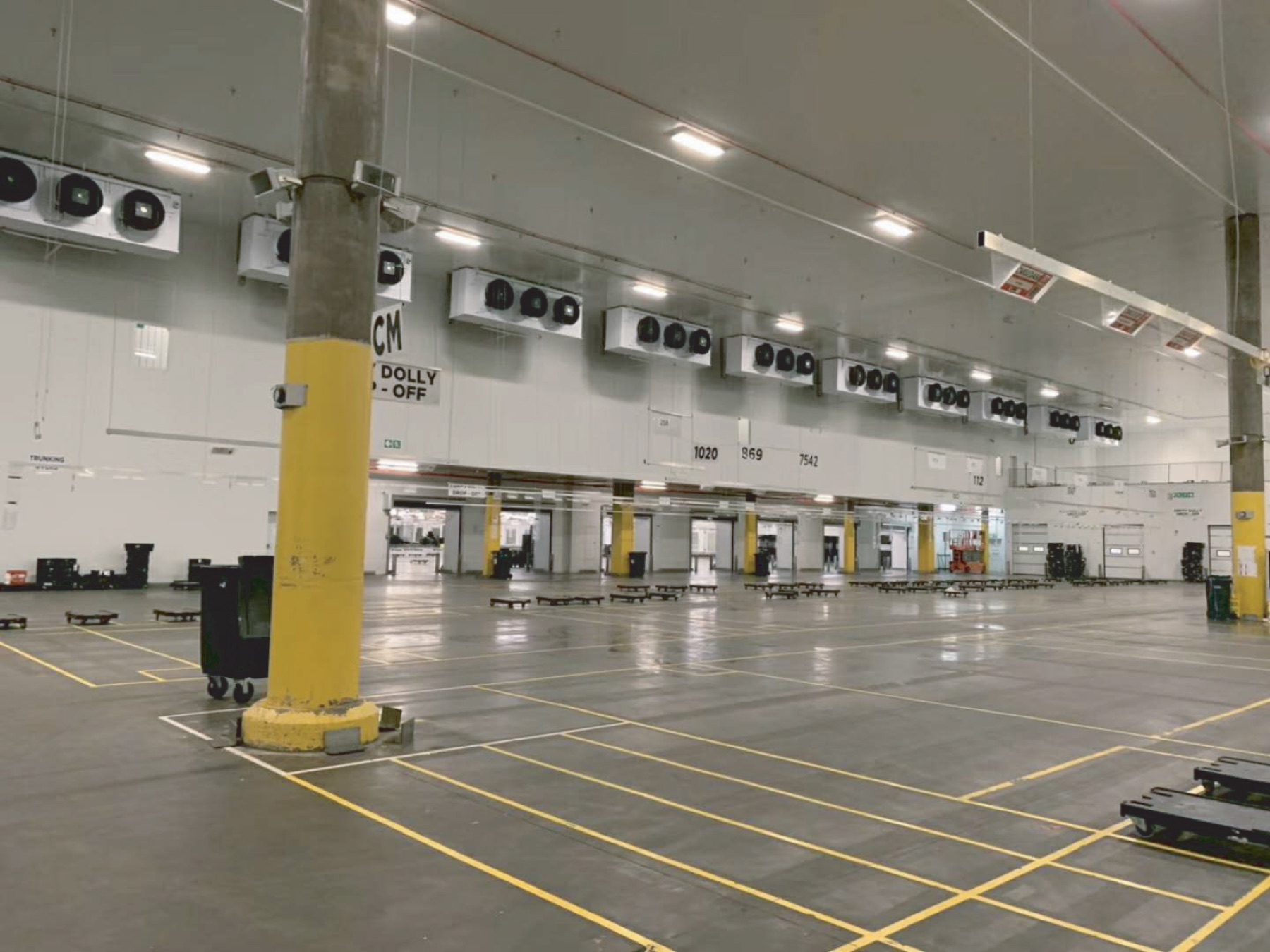
Aisle width, door position and air cooler placement are coordinated so stock can move without blocking cold-air return.
Project image details
Design decisions for freezer rooms
| Decision | Why it changes the configuration |
|---|---|
| Storage density | Pallet height, rack spacing and carton size affect usable capacity and airflow resistance. |
| Door traffic | Frequent dispatch needs door protection, recovery capacity and a clear unloading buffer. |
| Product temperature | Frozen goods entering at -18C require less pull-down load than warmer products entering from processing. |
| Ambient condition | Hot climates require careful condenser selection and better control of heat gain around the room. |
Before sizing the system
- Required room temperature and expected operating hours per day
- Product type, package size, pallet height and storage period
- Daily incoming and outgoing quantity, including peak season load
- Forklift or manual handling method and door opening schedule
- Preference for air-cooled, water-cooled or evaporative-cooled condenser
Planning a frozen storage room?
Share the storage volume, product type and daily turnover. AIM Refrigeration can calculate the freezer room load and recommend a practical equipment set.
Technical questions buyers ask before choosing -18C to -22C Frozen Cold Storage.
These points help overseas buyers compare capacity, condenser type, project data and equipment scope before requesting a quotation from AIM Refrigeration.
What information is needed for a cold room quotation?
Useful data includes room size, product type, inlet temperature, target storage temperature, daily loading volume, door opening frequency, installation country and power supply.
How are cold room panels selected?
Panel thickness and insulation type depend on temperature range, climate, room size, product load and energy target. Frozen and blast freezer rooms normally require stronger insulation than chilled rooms.
Can cold storage be combined with ice machines?
Yes. Seafood, ice trading and cold-chain projects may combine cold rooms with flake ice, block ice, tube ice, packing systems or chilled water equipment.