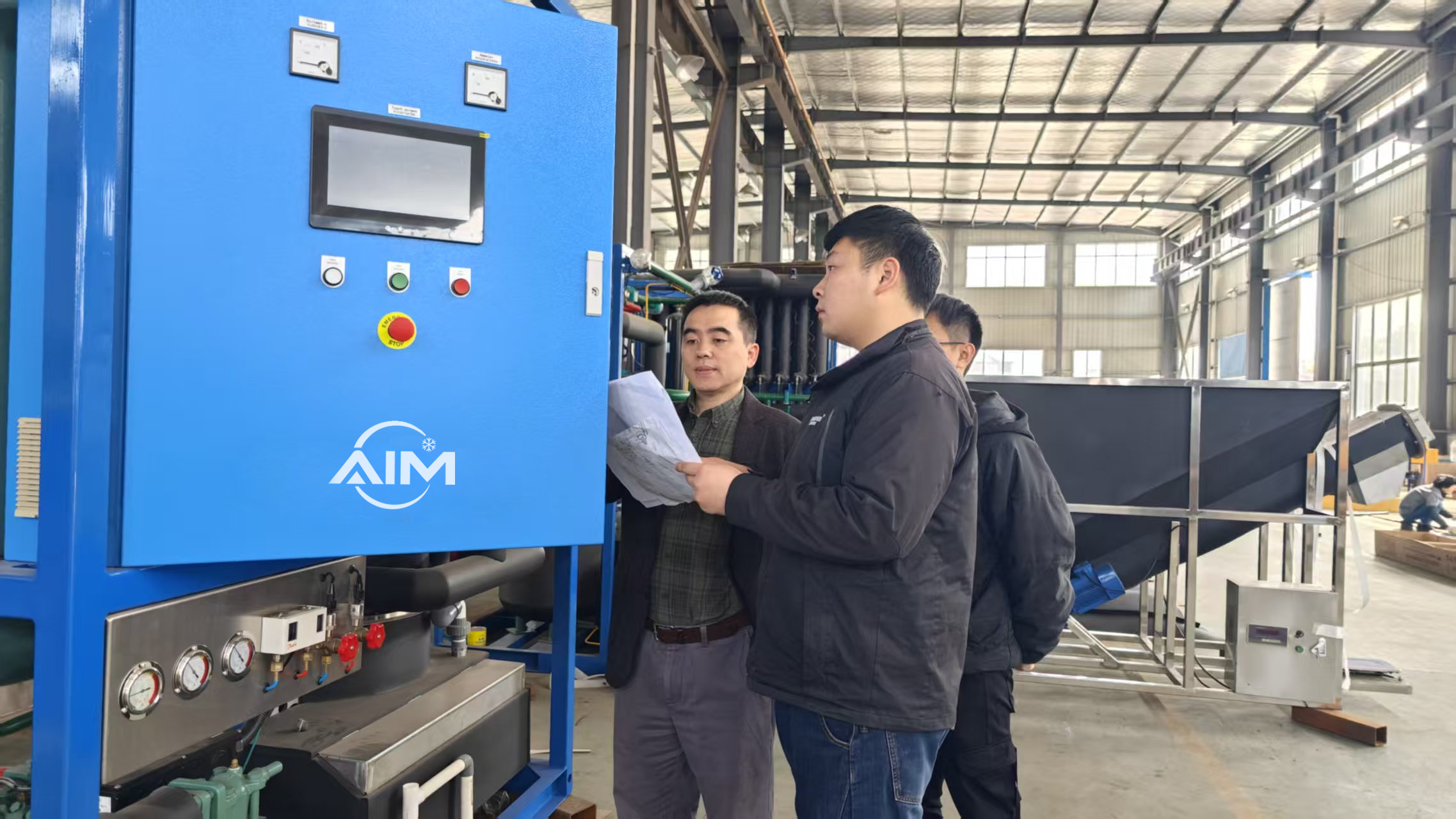
Advanced snowmaking technology for realistic snow in all-season venues.
AIM Refrigeration develops supercooled-water snowmaking systems for indoor ski resorts, snow parks, cultural tourism attractions, commercial snowscapes and engineered snow projects. The technology uses dynamic crystallization of supercooled water to produce dry, fluffy and fine-grained artificial snow that feels closer to natural snowfall than crushed-ice or scraper-style snowmaking routes.
Instead of grinding ice into snow-like particles, the system controls water temperature, refrigeration stability and crystallization timing so water forms snow through a more natural nucleation process. This helps reduce common problems such as wet snow, clumping, hard ice texture and excessive surface water.
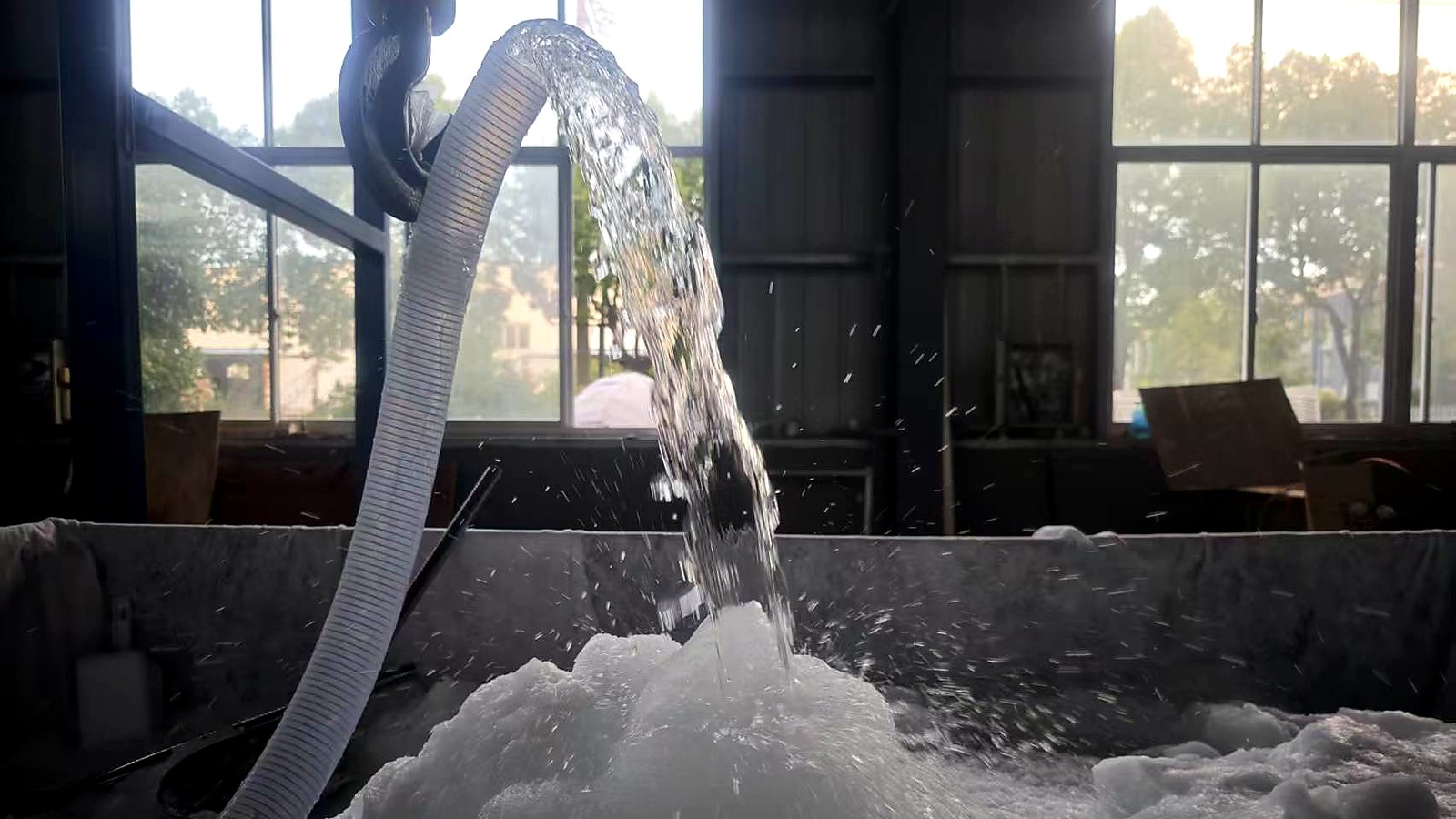
What is supercooled-water snowmaking?
Supercooled-water snowmaking is a refrigeration-based snow production method. Ordinary water is first cooled below its normal freezing point under controlled conditions. The system then triggers nucleation so water molecules crystallize into snow. By managing refrigeration output, water flow, crystallization behavior and snow discharge, AIM Refrigeration can help venues produce a more realistic snow texture for indoor or warm-climate operation.
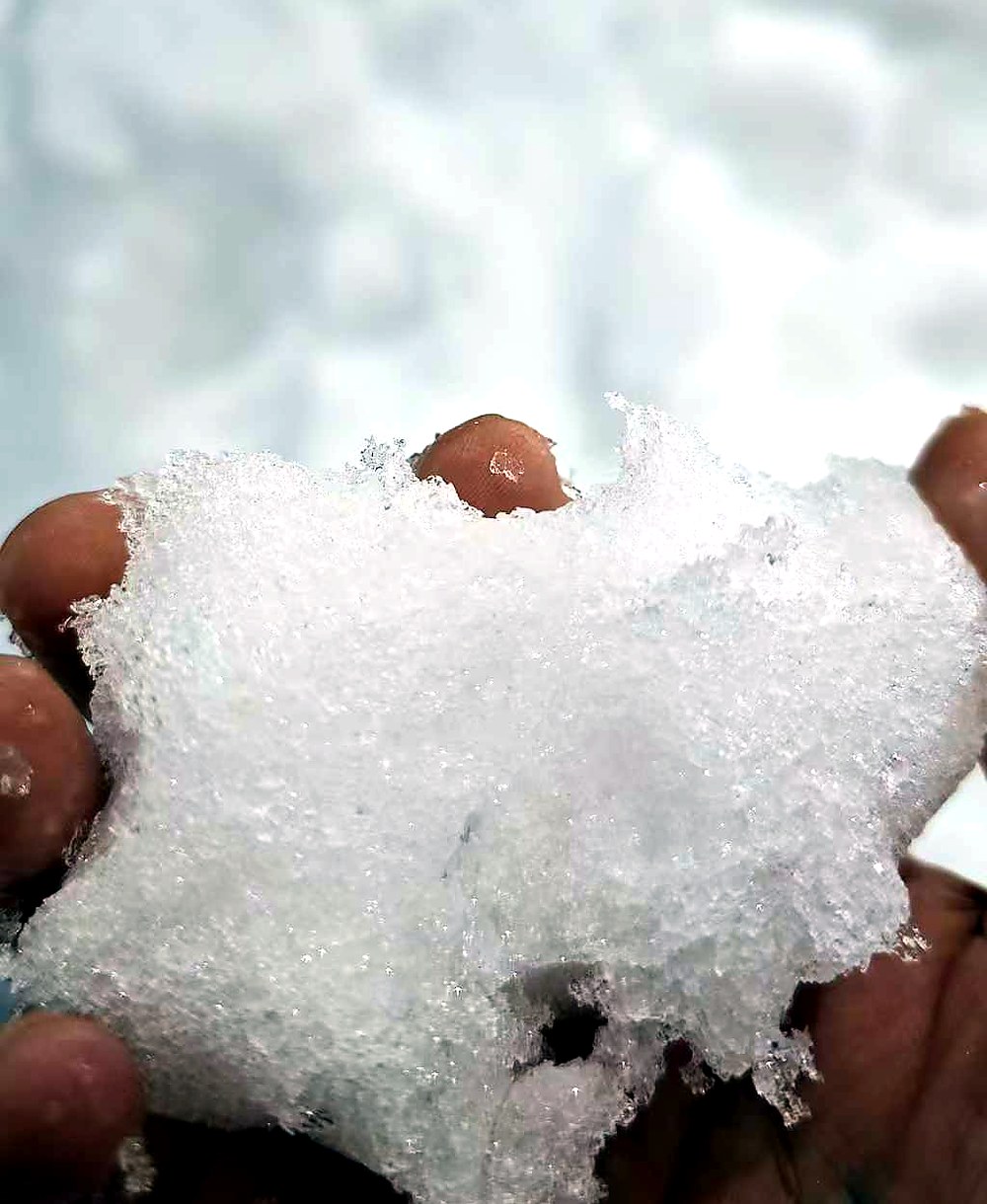
Dry, soft and fine-grained snow texture.
The snow produced by supercooled-water crystallization is designed to be fluffy, bright and more comfortable underfoot. It is suitable for snow play, commercial photography scenes, indoor snow rooms and visitor-facing attractions where snow appearance and touch both matter.
- Natural-looking snow crystals rather than crushed ice granules
- Reduced clumping, puddling and hard ice sensation
- Dryer snow feel for cleaner indoor operation
- Stable snow output for repeated commercial use
Core product advantages
Snow that better resembles natural snowfall
Dynamic crystallization creates soft, white and fine snow with a more natural feel than crushed-ice snowmaking. This improves visitor comfort and the visual quality of snow scenes.
All-season snowmaking support
The system is engineered to overcome the low-temperature restrictions of conventional snowmakers, supporting stable snow production for indoor venues and warm-region projects.
Optimized refrigeration and crystallization
Matched refrigeration capacity, temperature control and operating logic help balance snow output, power consumption and maintenance cost over long operating periods.
No scraper-style snow generating step
The route reduces dependence on mechanical scraping and grinding, helping lower wear-related maintenance while improving snow consistency.
Designed for commercial operation
Temperature control, intelligent start-stop logic and service-friendly equipment layout support daily operation in snow parks, tourist venues and commercial displays.
From equipment to venue planning
AIM Refrigeration can review snow demand, room condition, visitor flow, refrigeration layout, drainage and installation details before recommending the system configuration.
How the system works
Precision refrigeration
Water is cooled into a supercooled state through a controlled refrigeration process.
Dynamic crystallization
Controlled nucleation initiates snow crystal formation without relying on ice crushing.
Snow discharge control
Snow output is managed according to the target snow depth, venue area and operating schedule.
Venue integration
The system can be coordinated with room refrigeration, drainage, snow storage and visitor operation planning.
Applications for supercooled-water snowmaking
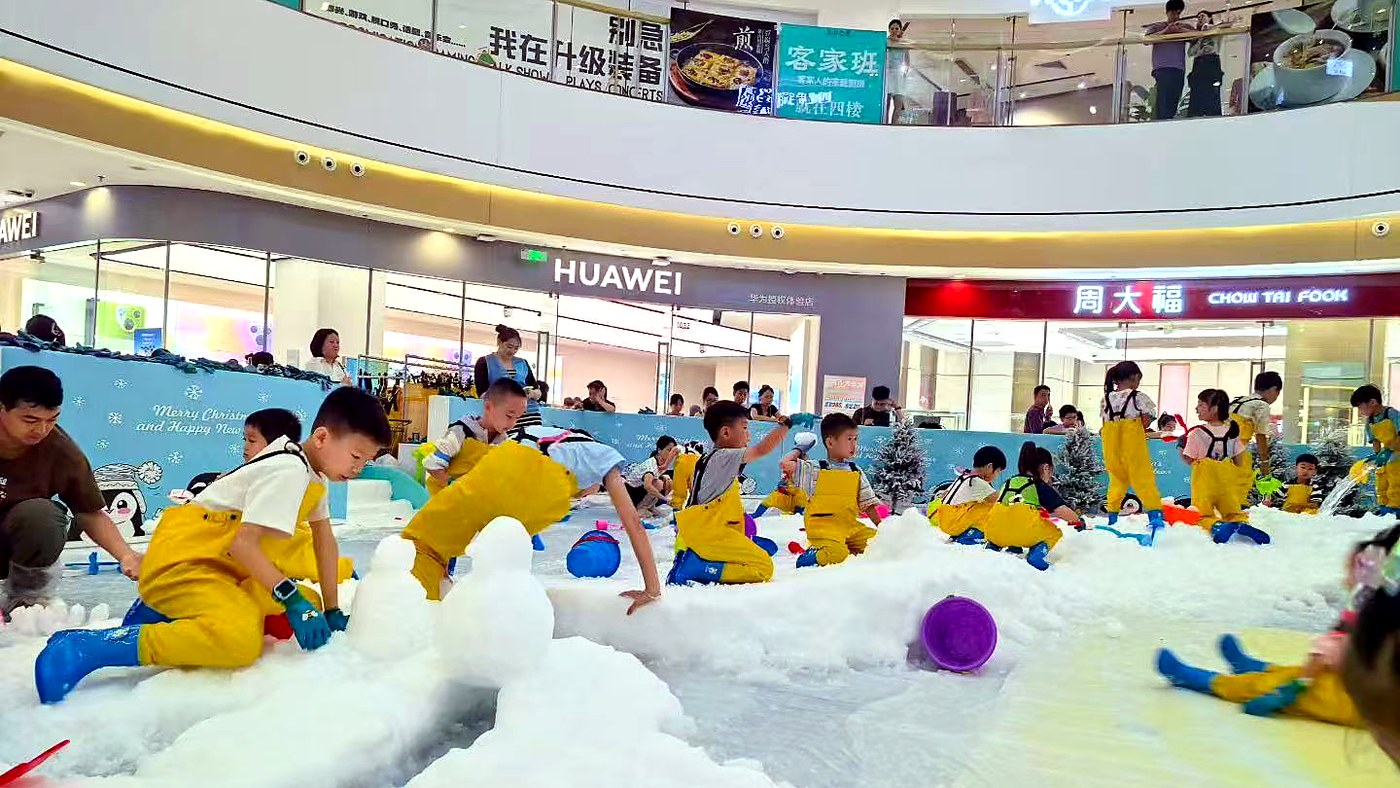
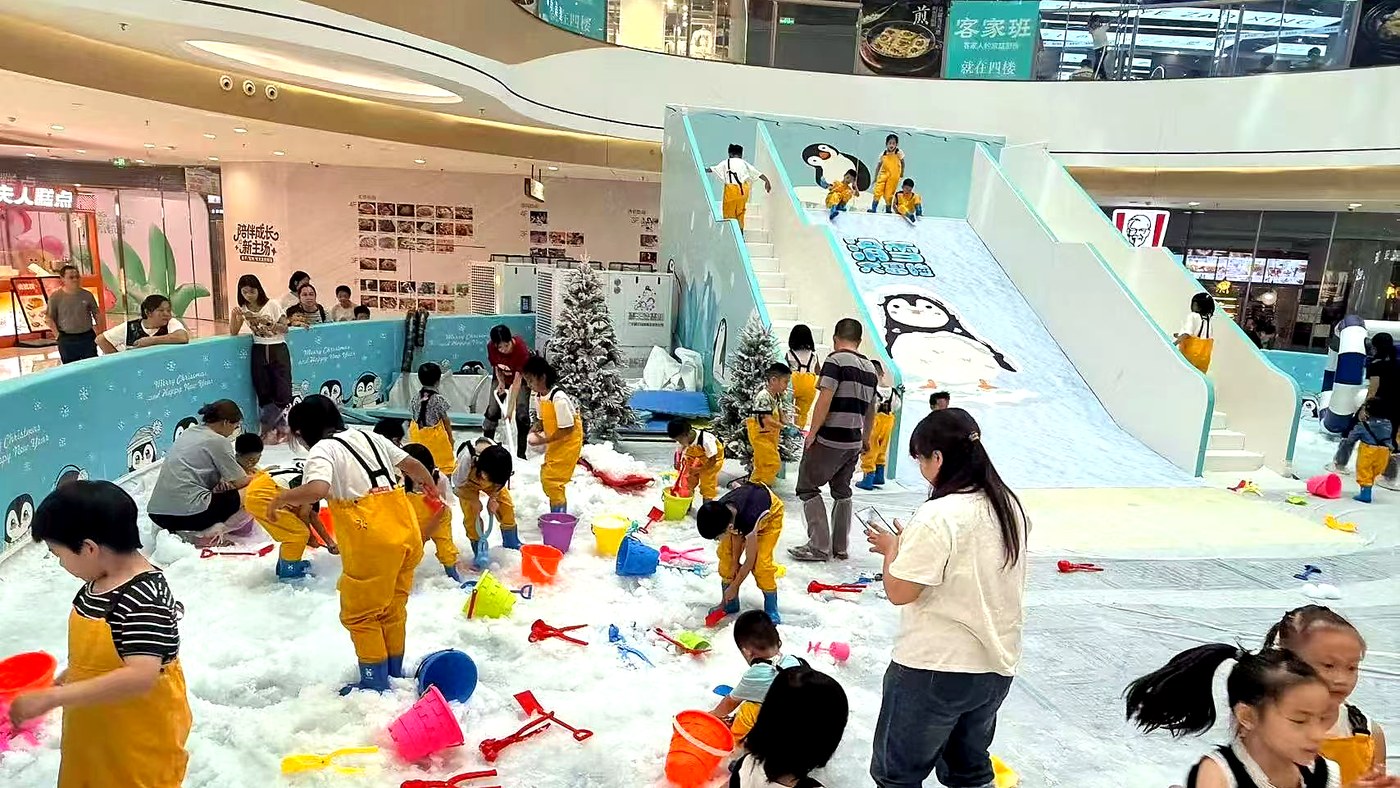
All-season snow production for indoor slopes, training venues and ski experience centers.
Snow scenes for theme parks, tourism complexes and regional destination attractions.
Family entertainment spaces that need soft snow texture, stable supply and manageable indoor operation.
Photography, display, event and seasonal decoration projects requiring realistic snow appearance.
Technical snowmaking support where year-round or above-freezing operation is required.
Projects in southern or tropical climates where conventional outdoor snowmaking is limited.
Project data required for selection
A supercooled-water snowmaking system should be selected according to the venue environment, operating target and snow usage pattern. Send the following information and AIM Refrigeration can prepare a more practical proposal.
- Venue type, room size and snow coverage area
- Indoor temperature and humidity target
- Required snow depth, daily snow output and operating hours
- Visitor flow, snow play method and cleaning schedule
- Power supply, water quality, drainage and machine-room condition
- Whether room refrigeration, snow storage or complete venue planning is needed
Related snowmaking equipment
Four-Season Snow Machine
For indoor snow parks and commercial attractions that need stable snowmaking beyond winter conditions.
Snow Falling Machine
For falling snow scenes, events, themed venues and commercial snow atmosphere projects.
Cannon Type Snow Machine
For outdoor snow coverage in suitable cold-weather conditions and event snowmaking projects.
Let snow production move beyond seasonal limits.
Share your snow area, temperature condition and visitor operation target. AIM Refrigeration will help match supercooled-water snowmaking equipment with the complete refrigeration plan.
Technical questions buyers ask before choosing Supercooled-Water Snowmaking.
These points help overseas buyers compare capacity, condenser type, project data and equipment scope before requesting a quotation from AIM Refrigeration.
What is supercooled-water snowmaking?
Supercooled-water snowmaking cools water below its normal freezing point under controlled refrigeration conditions and then triggers crystallization to produce dry, fluffy artificial snow.
How is it different from crushed-ice snowmaking?
Instead of grinding ice into snow-like particles, the system forms snow through controlled crystallization, helping improve snow texture and reduce wet, clumped or hard ice-like snow.
What project data is needed before quotation?
AIM reviews snow area, room temperature, humidity, required snow depth, daily operating hours, visitor flow, water quality, drainage and machine-room conditions before proposing a system.