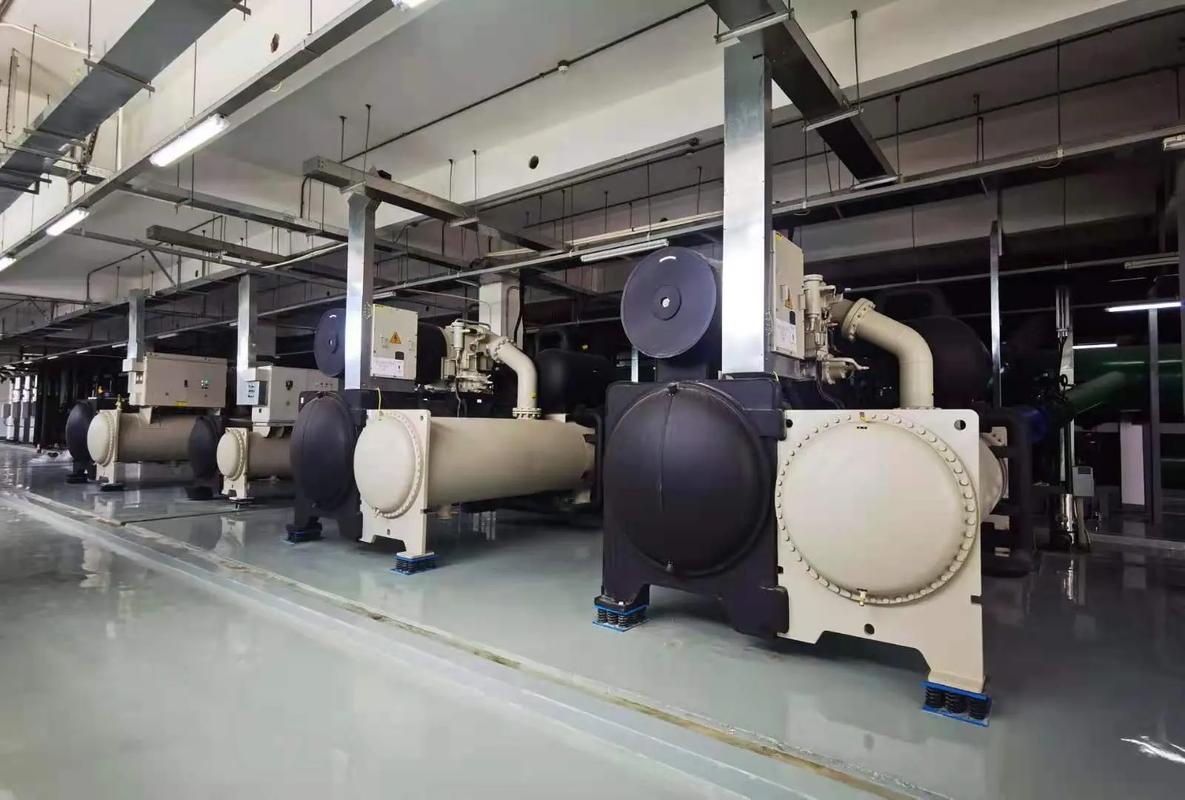
Magnetic bearing centrifugal chillers are built for high-capacity chilled-water plants where long operating hours, stable part-load performance and low mechanical maintenance matter.
Oil-free centrifugal cooling for central chilled-water systems
AIM Refrigeration configures magnetic bearing centrifugal chillers for industrial users that need a larger and more efficient chilled-water platform than compact scroll or screw-type process chillers. The compressor uses magnetic bearing support to reduce mechanical friction, oil-system dependency and vibration, helping central cooling plants maintain steady operation across changing production loads.
Lower maintenance burden
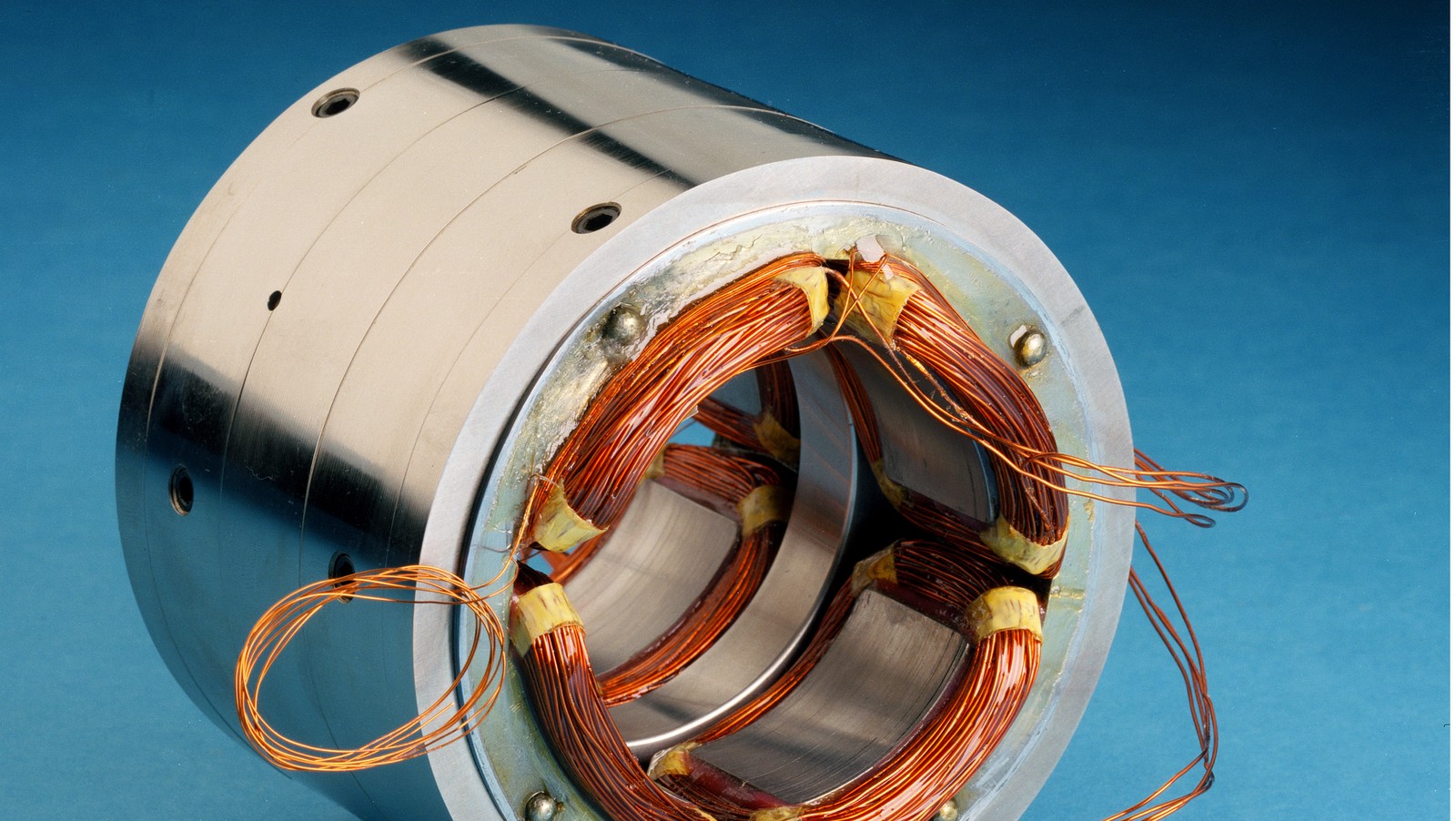
Magnetic bearing compressor technology removes the traditional oil circuit from the compression process, reducing oil-related heat-transfer loss and simplifying routine service planning.
Better match for variable demand
Factories rarely run at one fixed load all year. Magnetic bearing centrifugal systems are especially valuable when cooling demand changes by shift, season or production line.
Cleaner plant-room operation
The non-contact bearing structure helps reduce vibration and operating noise, which is useful for central utility rooms, precision manufacturing and sites with strict noise limits.
Magnetic bearing chiller technology in context
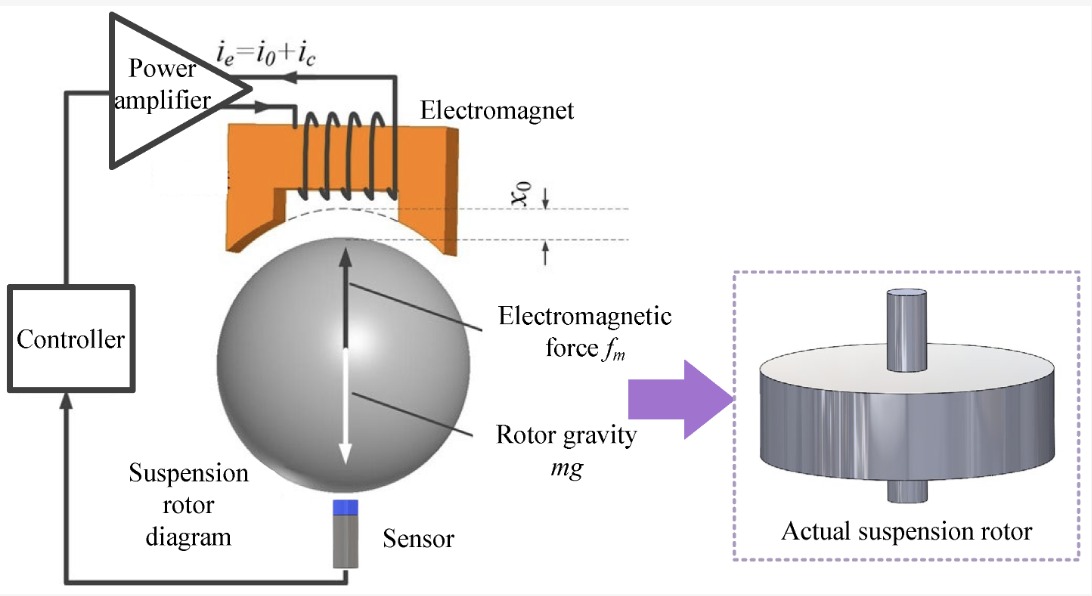
Unlike small packaged process chillers, magnetic bearing centrifugal systems are planned as part of a central chilled-water plant. The engineering focus is the oil-free compressor platform, active bearing control, condenser-water conditions and stable plant operation across changing loads.
Where magnetic bearing centrifugal chillers fit best
This chiller type is most suitable when the project needs a central chilled-water source with high annual running hours. It is usually evaluated for larger cooling loads, energy-sensitive facilities and process plants that require stable water temperature over long periods.
| Central cooling plants | Shared chilled-water supply for multiple process lines, production workshops or utility zones. |
|---|---|
| Food and beverage factories | High-volume chilled-water systems for processing, ingredient preparation, washdown support and packaging environments. |
| Electronics and precision manufacturing | Stable chilled-water loops for equipment cooling, humidity-control support and temperature-sensitive production areas. |
| Pharmaceutical and clean production | Continuous chilled-water supply where reliability, low vibration and controlled operating conditions are important. |
| Large industrial refrigeration utilities | Integration with cold rooms, ice plants, brine circuits or other refrigeration equipment when a project needs centralized cooling capacity. |
Selection guidance before quotation
A magnetic bearing centrifugal chiller should be selected from the full cooling system, not from compressor type alone. AIM Refrigeration reviews the chilled-water temperature, condenser-water condition, load profile, redundancy target, control interface and local utility cost before recommending whether this platform is the right choice.
Peak load and part-load hours
Provide peak cooling load, normal operating load and expected seasonal changes so the system can be matched to real operation.
Chilled and condenser circuits
Confirm chilled-water inlet and outlet temperatures, condenser-water temperature, flow rate and cooling-tower condition.
Pumps, controls and redundancy
Define pump arrangement, buffer volume, BMS communication, standby requirements and maintenance access at the planning stage.
Compared with standard process chillers
Air-cooled and water-cooled scroll or screw chillers remain practical for small and medium process-cooling duties. Magnetic bearing centrifugal chillers are considered when the project scale is larger, operating hours are longer and energy performance over a full year has a stronger influence on total cost.
| Project condition | Recommended direction |
|---|---|
| Limited cooling capacity, compact installation or outdoor package required | Air-Cooled Water Chiller |
| Factory has cooling tower water and needs compact process cooling | Water-Cooled Water Chiller |
| Large central chilled-water plant with long annual running hours | Magnetic Bearing Centrifugal Chiller |
Project information AIM needs
- Cooling capacity or process heat-load calculation
- Chilled-water inlet temperature, outlet temperature and flow rate
- Condenser-water temperature, cooling tower condition and water quality
- Power supply, installation altitude, ambient condition and plant-room layout
- Operating schedule, part-load pattern, redundancy requirement and BMS interface
Planning a large chilled-water plant?
Send your load profile, chilled-water temperatures and condenser-water data. AIM Refrigeration will review whether a magnetic bearing centrifugal chiller is suitable for the project.
Technical questions buyers ask before choosing Magnetic Bearing Centrifugal Chiller.
These points help overseas buyers compare capacity, condenser type, project data and equipment scope before requesting a quotation from AIM Refrigeration.
How should a buyer choose an industrial water chiller?
Selection should be based on cooling capacity, inlet and outlet water temperature, ambient temperature, operating hours, pump requirements, condenser type and power supply.
Is air-cooled or water-cooled better for a chiller?
Air-cooled chillers simplify installation where water is limited. Water-cooled chillers can be more efficient for larger plants when cooling tower water and maintenance are available.
Can chillers be used together with ice machines for concrete cooling?
Yes. Concrete cooling systems often combine chilled water, flake ice production, ice storage, delivery conveyors, weighing hoppers and batching plant control.