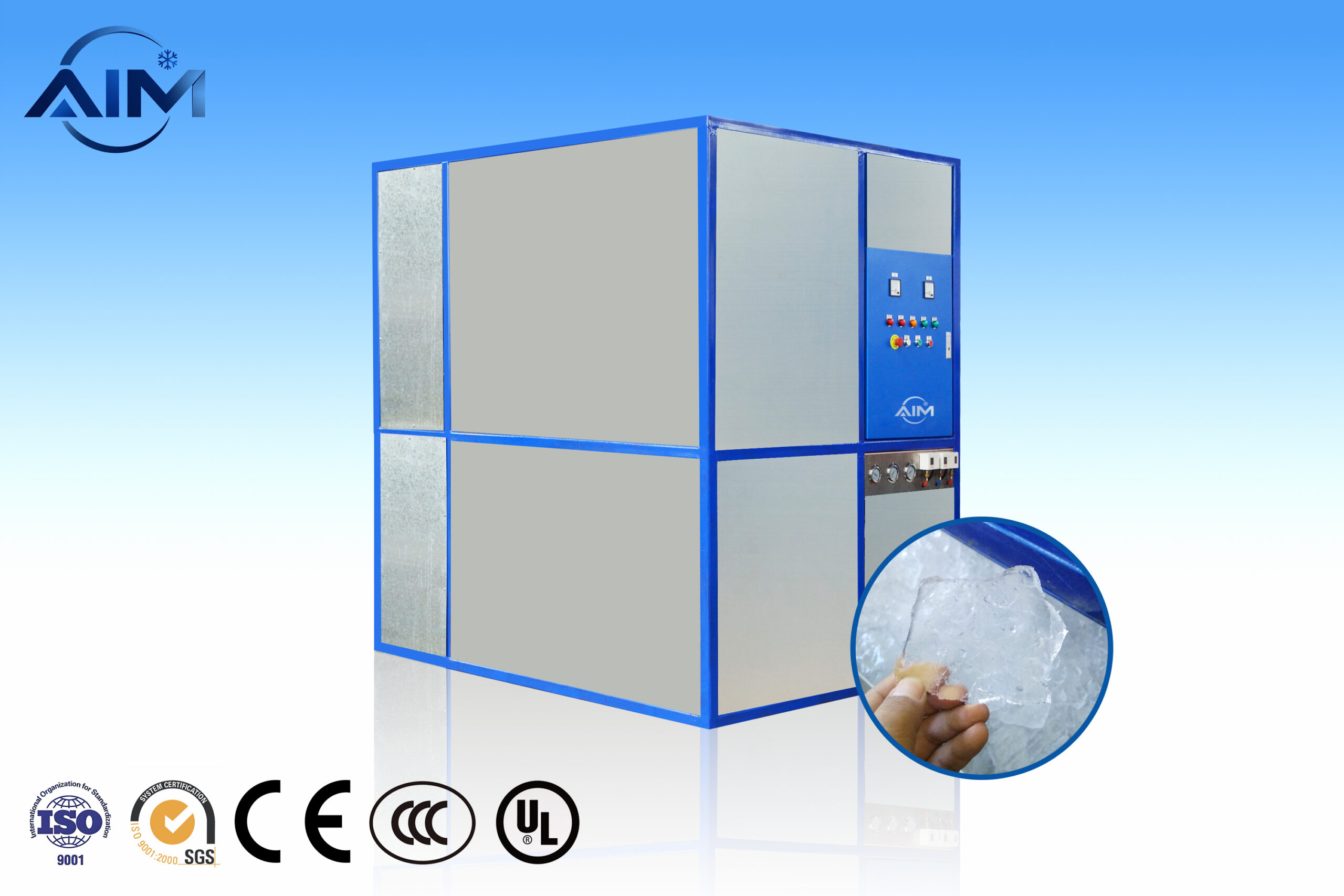
AP-5TW Plate Ice Machine is configured for 5 tons/day nominal daily plate ice production. AIM Refrigeration selects the refrigeration system, condenser route, water circulation and ice discharge arrangement according to the installation country, ambient temperature, water condition and the buyer’s cooling workflow.
AP-5TW application focus
AP-5TW is suited to fish markets, produce packing rooms, small ice depots and process lines that need stable plate ice without building a large ice factory.
5 tons/day
Daily output should be confirmed with inlet water temperature, ambient condition, operating hours and required ice thickness.
Water-cooled
The water-cooled condenser route is suitable when cooling water is available and the buyer wants stable heat rejection for a compact machine room.
Thick irregular plate ice
Plate ice has a broad contact surface, practical handling strength and slower melting behavior than very thin ice.
Storage and delivery ready
The machine can be planned with ice storage, crushing, screw conveying, weighing or packing equipment for a complete plant.
Technical configuration for quotation
The following values are organized from the corresponding plate ice machine reference class. Final data can be adjusted when the refrigerant route, condenser type, power supply or site condition changes.
| Reference capacity | 5,000 kg/day |
|---|---|
| Refrigerant | R22 or R404A |
| Cooling route | Water-cooled AP configuration; 5-ton reference data uses external air-cooled condenser route |
| Design ambient / inlet water | 35C ambient / 20C inlet water |
| Total running power | 25.15 kW |
| Installation power | 30 kW |
| Compressor | Bitzer, 30 HP, 37.1 kW refrigeration capacity |
| Refrigeration capacity | 37.1 kW |
| Machine unit size | Ice maker: 2000 x 1800 x 2200 mm |
| Evaporator size | Integrated in ice maker |
| Cooling tower / condenser size | External condenser: 2280 x 1200 x 1450 mm |
| Operating weight | Ice maker: 1550 kg; condenser: 168 kg |
Plate ice quality and machine details
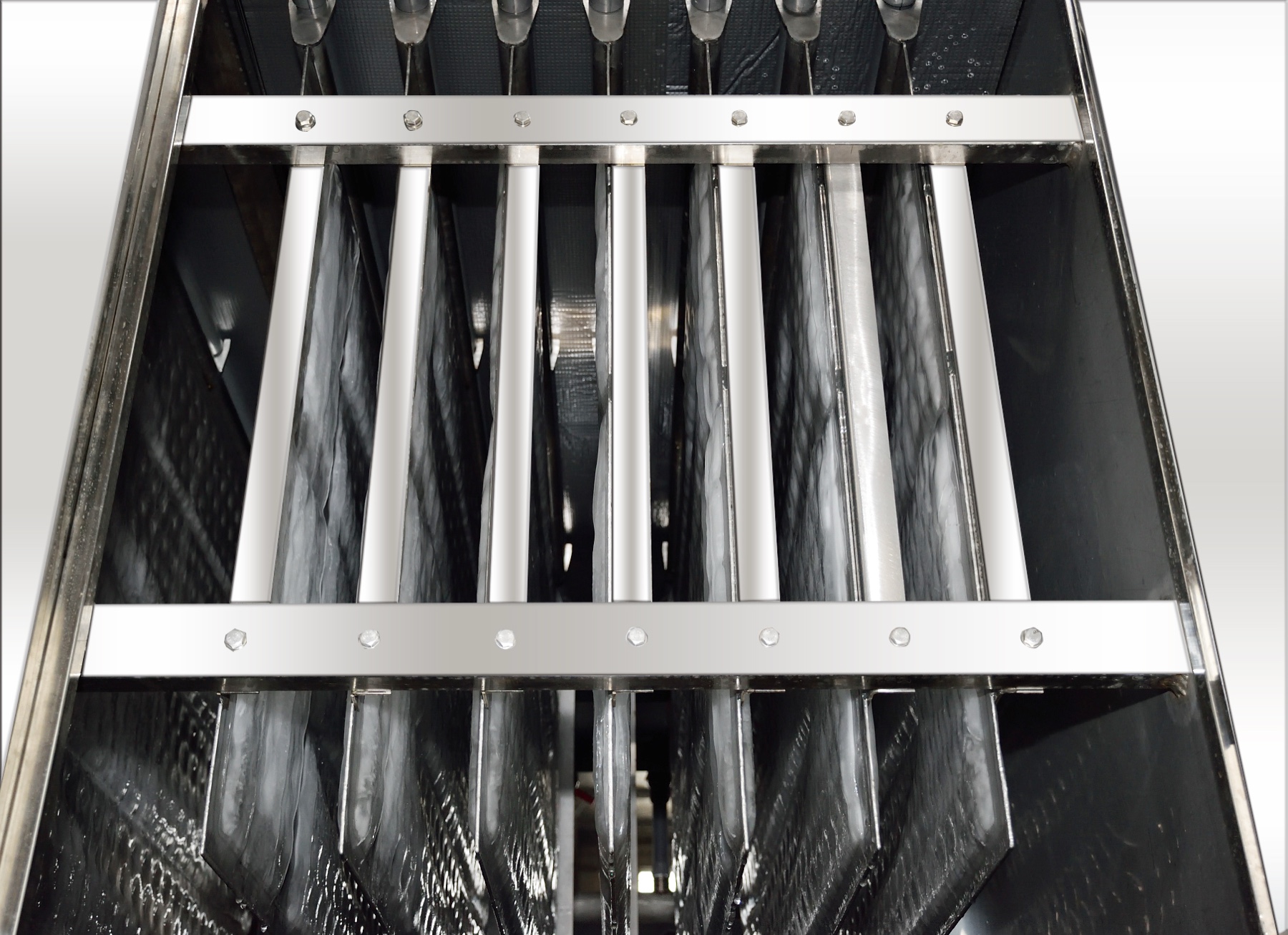
AIM Refrigeration focuses on stable water distribution, uniform ice formation and reliable harvest. During operation, water is circulated over the evaporator surface. Refrigeration forms ice on the plate surface, then the harvest stage releases the ice so it can drop into the crusher, storage bin or delivery system by gravity and mechanical handling.
- Adjustable ice-making time for required plate ice thickness
- Stainless-steel water-contact design options for industrial hygiene needs
- Water circulation design to reduce waste and improve ice clarity
- Machine layout can be coordinated with storage, crushing and delivery equipment
Related AP plate ice models
Compare adjacent models if your daily demand may increase or if the plant requires longer storage buffer.
AP-5TW to AP-10TW
Water-cooled plate ice machines for compact ice supply, seafood cooling and pilot industrial cooling lines.
AP-20TE to AP-30TE
Evaporative-cooled models for bulk plate ice production, storage-oriented plants and hot-climate applications.
Plate Ice Machine
Return to the plate ice machine category page for the full AP model range and selection notes.
Need a quotation for AP-5TW?
Send daily ice demand, ice use, country, voltage, ambient temperature, inlet water temperature and storage plan. AIM Refrigeration will confirm whether AP-5TW is the right selection.
Technical questions buyers ask before choosing AP-5TW Plate Ice Machine.
These points help overseas buyers compare capacity, condenser type, project data and equipment scope before requesting a quotation from AIM Refrigeration.
What is plate ice used for?
Plate ice is used for seafood cooling, food processing, ice storage, concrete support cooling, chemical plants, mines and other industrial cooling projects where stronger ice pieces and storage stability are needed.
How thick is plate ice?
Plate ice is commonly selected around 10 to 15 mm thickness, and the thickness can be adjusted by ice-making time and project requirements.
What data is needed before selecting an AP plate ice machine?
AIM reviews daily ice demand, application, voltage, ambient temperature, inlet water temperature, ice thickness, condenser route, storage plan and delivery method before proposing an AP model.