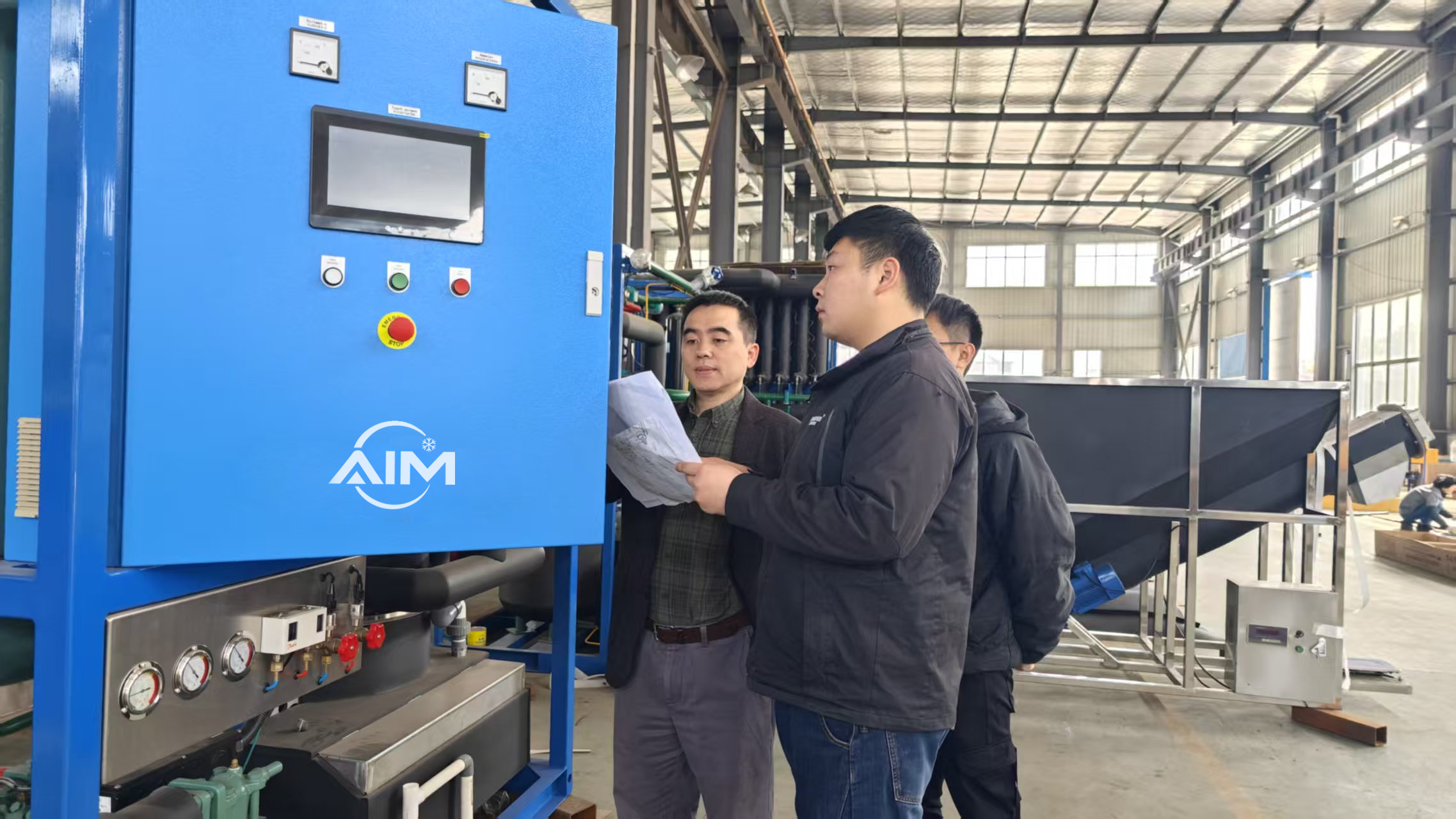
Central snow machine for indoor venues is the specific buyer question addressed here. A central snow machine for indoor venues should be quoted from a venue brief, not from an effect name alone. AIM presents the central snow machine as a project-system option for indoor snow scenes, snow parks, event venues and commercial entertainment projects. Its quotation focus is venue area, indoor or outdoor condition, snow effect, operating hours and refrigeration load. Collecting those facts first keeps the discussion tied to the intended experience and building constraints.
Define the visitor-facing snow requirement
Describe the venue type, the area where snow is required, the intended snow effect and when visitors will use it. State whether the project is an indoor scene, entertainment venue, snow park area or event application. Do not convert a general application label into a promise of output or operating result; the supplier must review the real venue information.
Document operating hours
List opening hours, planned snow periods, event peaks and any maintenance windows. AIM explicitly includes operating hours in the quotation focus. A central system should be discussed against the actual use schedule because it affects the refrigeration and operating scope to be evaluated.
Describe the venue environment
Confirm whether the space is indoor or outdoor, provide the available layout, and note ceiling, access, machine-room and utility constraints. The building team may own some of these interfaces, so identify them early rather than leaving them outside the equipment request.
Coordinate refrigeration and snow equipment
AIM describes a central snow machine as a project system rather than a stand-alone category. Use that framing to list refrigeration equipment, distribution route, controls, electrical work and any building penetrations that need coordination. The request should distinguish confirmed site information from items that still need a technical recommendation.
When the project includes a larger snow venue, discuss interfaces with the snow park equipment page. When it includes skating, the ice rink product page is a separate refrigeration-system reference. These are related venue systems, not automatic additions to every central-snow quotation.
Build a usable scope drawing
Prepare a simple plan showing visitor area, possible equipment location, service access, power source and any route that connects equipment with the snow zone. Add the country of installation and the local site conditions. AIM’s general project inquiry asks for application, capacity, site conditions, voltage and layout; the drawing gives those subjects a practical context.
Also name the coordination parties: venue owner, architect, building contractor, electrical contractor and refrigeration supplier. A quotation can then state its boundary clearly, instead of assuming who supplies structure, drainage, insulation or controls.
Quotation checklist
- Venue type, indoor condition and snow-effect objective
- Snow area, layout and relevant ceiling or access constraints
- Operating hours, event schedule and maintenance windows
- Available power, equipment location and service access
- Installation country and local site conditions
- Refrigeration load information available from the project team
- Scope ownership for equipment, distribution, controls and building work
Send the brief through AIM’s contact page with drawings where available. AIM can review the equipment scope and project-system configuration against the venue requirement.
Decision to make before requesting a quote
Decide the snow effect and visitor-use schedule before discussing equipment. Once the venue area, operating hours and building interfaces are known, the buyer can request a central snow machine proposal that reflects the indoor project rather than a generic snow-machine category.
Project review before release
Before issuing a request for central snow machine, hold a short review with the people who own venue operation, effect area, building services and equipment access. Ask each person to confirm the facts within their responsibility rather than accepting a general approval. Operations can confirm the working sequence and peak periods; the site team can confirm access, utilities and layout; maintenance can identify service limitations; and the project owner can define which interfaces are included in the equipment scope. This review turns a product inquiry into a usable project brief.
Separate facts from assumptions
Keep a two-column record. In the first column, list confirmed information such as application, schedule, site location, available utilities, drawing references and the responsible contact. In the second, list information that requires supplier review. This may include final configuration, connection details, controls coordination or the exact boundary between supplied equipment and site work. AIM product pages identify the information needed for selection, but the final recommendation should follow a review of the real project conditions.
Issue one controlled quotation brief
Send one current drawing, one operating summary and one scope list rather than several inconsistent messages. Identify revisions and open decisions. State the installation country, the operating environment and the planned project timing only where those facts are known; do not substitute estimates for engineering data. Include photographs when they clarify access or existing equipment, while keeping private customer information out of the package. A focused brief helps AIM ask targeted follow-up questions and makes proposals easier to compare.
Finally, preserve the decision record after the quotation arrives. Check that the proposed scope addresses the application, the site interfaces and the operating pattern described in the request. Where an item is excluded or depends on another contractor, assign an owner and a next action. That discipline does not guarantee a particular result; it gives the project team a transparent basis to evaluate equipment recommendations and proceed with the technical review.
Use this final check to make the quotation record complete. Confirm the latest drawing, the named contacts, the source of each operating fact and the open decisions that still require technical review. A clear record helps the buyer, AIM and related contractors evaluate the same project assumptions.
Technical questions buyers ask before choosing Central Snow Machine: Venue Scope Checklist for Indoor Projects.
These points help overseas buyers compare capacity, condenser type, project data and equipment scope before requesting a quotation from AIM Refrigeration.
What data is needed for an AIM equipment quotation?
Share product type, required capacity, installation country, voltage, ambient temperature, inlet water or product temperature, operating schedule and application details.
Can AIM configure equipment for overseas projects?
Yes. AIM reviews climate, power supply, layout, capacity and workflow before proposing a suitable refrigeration or ice-making configuration.
Does AIM provide technical documents before purchase?
AIM can prepare quotation assumptions, model information and technical documentation according to the confirmed project scope.