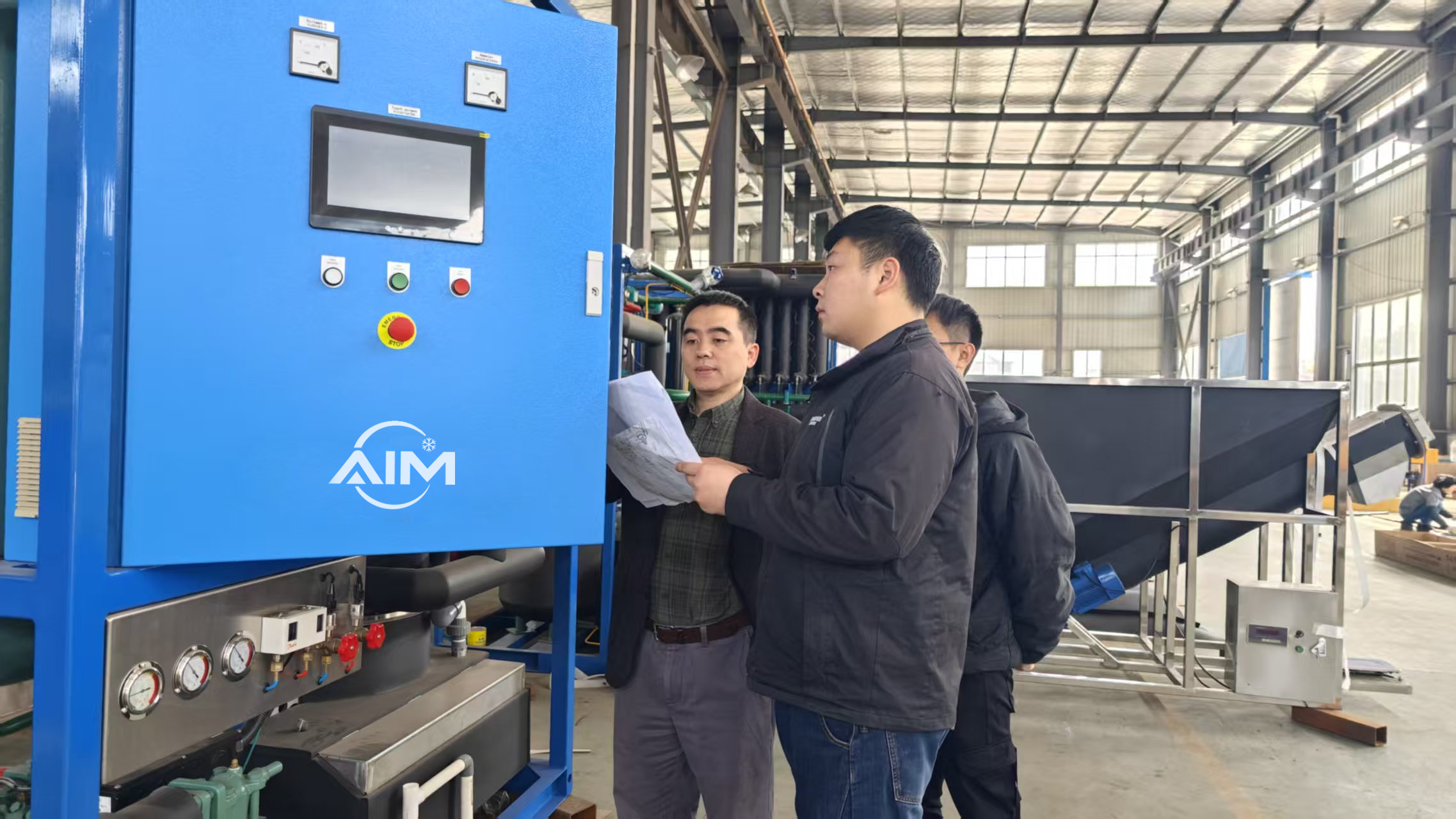
A cannon type snow machine inquiry should begin with the venue and operating scope, rather than an unsupported expectation about output. AIM presents this snow-system option for indoor snow scenes, snow parks, event venues, and commercial entertainment projects. The equipment may sit within a wider venue plan that includes refrigeration, layout coordination, utilities, and operating procedures. This cannon type snow machine project brief helps a buyer collect the application and site information AIM requests before a quotation discussion.
Explain the visitor application
State whether the project is an indoor snow scene, a snow park, an event venue, or another commercial entertainment application. Describe the intended visitor experience in practical terms: the operating area, the expected schedule, and how the snow equipment supports the facility. Avoid substituting a city name or a vague marketing label for the actual use case. A supplier needs the site function and operating plan to review the refrigeration and equipment scope.
The cannon type snow machine page asks buyers to share product type, required capacity, installation country, voltage, ambient temperature, inlet water or product temperature where relevant, operating schedule, and application details. This is the core of a useful request. Present the information as confirmed project data, and identify any points that remain to be decided.
Map the installation area and project interfaces
Provide a plan of the proposed equipment area and the visitor zone it serves. Mark available access, ceiling or structural constraints, drainage, utility locations, and the route for installation and maintenance. A snow venue often involves more than the snow machine itself, so describe which elements are already designed and which must still be coordinated. The layout does not need to promise a final configuration; it should make visible the interfaces that affect equipment placement and service access.
Record ambient and water conditions accurately
Give the ambient conditions supplied for the project and identify the water source or inlet-water conditions where applicable. Include the installation country and the location of the equipment, such as an indoor machine room, a venue service area, or another defined space. These facts support a review of climate, water, and operating conditions. They are not a substitute for a final engineering assessment, so avoid stating a performance result before AIM has reviewed the project.
Connect schedule to the venue operation
Explain when the venue will operate, whether the equipment serves regular sessions or occasional events, and when maintenance access is possible. A project that runs for defined events may have a different operating rhythm from a permanent entertainment venue. Note visitor schedule, setup periods, and any restricted hours for installation or service. This allows the supplier to understand the operating context without confusing attendance expectations with machine capacity.
Clarify the wider refrigeration scope
AIM notes that entertainment venues usually require refrigeration, snow equipment, and layout planning together. Identify whether the inquiry is limited to a snow machine or is part of an indoor snow-room, snow-park, or wider refrigeration project. Buyers can compare AIM snow machine options and related venue equipment before requesting a combined discussion. Keeping the requested scope clear makes it easier to determine what information and documentation should be reviewed first.
For every item in the scope, distinguish confirmed site conditions from preferences. For example, voltage and installation country may be known, while the final equipment location or operating pattern may need proposal support. This simple distinction prevents a quotation request from presenting early assumptions as final requirements.
Request technical documentation at the right stage
AIM states that it can prepare quotation assumptions, model information, and technical documentation according to the confirmed project scope. Ask for documentation after supplying the application, layout, capacity requirement, climate, power, and workflow details. This creates a traceable conversation around what the venue actually needs. It also helps the buyer compare proposals on the same project basis.
Quotation checklist
- Venue application and the area the snow system will serve
- Required scope and any confirmed capacity requirement
- Installation country, voltage, ambient conditions, and water information where relevant
- Operating schedule, event pattern, and maintenance access
- Site layout, equipment location, utilities, drainage, and installation access
- Whether refrigeration and wider snow-venue planning are part of the inquiry
Send the brief and a layout through the AIM contact page. AIM can review climate, power, layout, capacity, and workflow before proposing a suitable snow or refrigeration configuration for the confirmed venue scope.
Check the brief with operations and construction
Review the request with people responsible for venue operations, building services, construction access, and maintenance. Confirm that the proposed equipment area is reachable, utilities are understood, and service work will not conflict with visitor circulation. Where the venue has an event calendar, test planned access windows against that calendar. This coordination does not determine the final equipment configuration, but it prevents a proposal from being based on an unavailable location or an incomplete operating assumption.
Keep a simple list of decisions still open, such as final layout, utility route, or wider refrigeration scope. AIM can then distinguish confirmed information from items requiring further technical discussion. That makes the quotation process more useful for a commercial venue buyer.
Use drawings that show technical access
Include the current venue drawing with equipment zones, service corridors, utility points, and public circulation marked clearly. Note any construction sequence that limits delivery or maintenance access. This lets the project team identify physical issues before technical scope is finalized. A layout that is still conceptual can be useful, provided the buyer labels it as preliminary and records which interfaces remain open for supplier review.
Technical questions buyers ask before choosing Cannon Type Snow Machine Project Brief for Venue Buyers.
These points help overseas buyers compare capacity, condenser type, project data and equipment scope before requesting a quotation from AIM Refrigeration.
What data is needed for an AIM equipment quotation?
Share product type, required capacity, installation country, voltage, ambient temperature, inlet water or product temperature, operating schedule and application details.
Can AIM configure equipment for overseas projects?
Yes. AIM reviews climate, power supply, layout, capacity and workflow before proposing a suitable refrigeration or ice-making configuration.
Does AIM provide technical documents before purchase?
AIM can prepare quotation assumptions, model information and technical documentation according to the confirmed project scope.